
Home › Commercial › Schools
School & Education Pest Control in Fresno
Schools have to control pests and protect children — under California law, with the least-hazardous methods and parent notification. We keep Fresno schools and daycares pest-free and Healthy Schools Act-compliant.
School pest control in California is governed by the Healthy Schools Act, which means it has to do two things at once: keep campuses free of pests and protect children with the least-hazardous methods, posted notifications, and recordkeeping. We keep Fresno schools, districts, and daycares both pest-free and compliant, using an IPM-first program designed for spaces full of kids.
Why schools are held to a higher standard
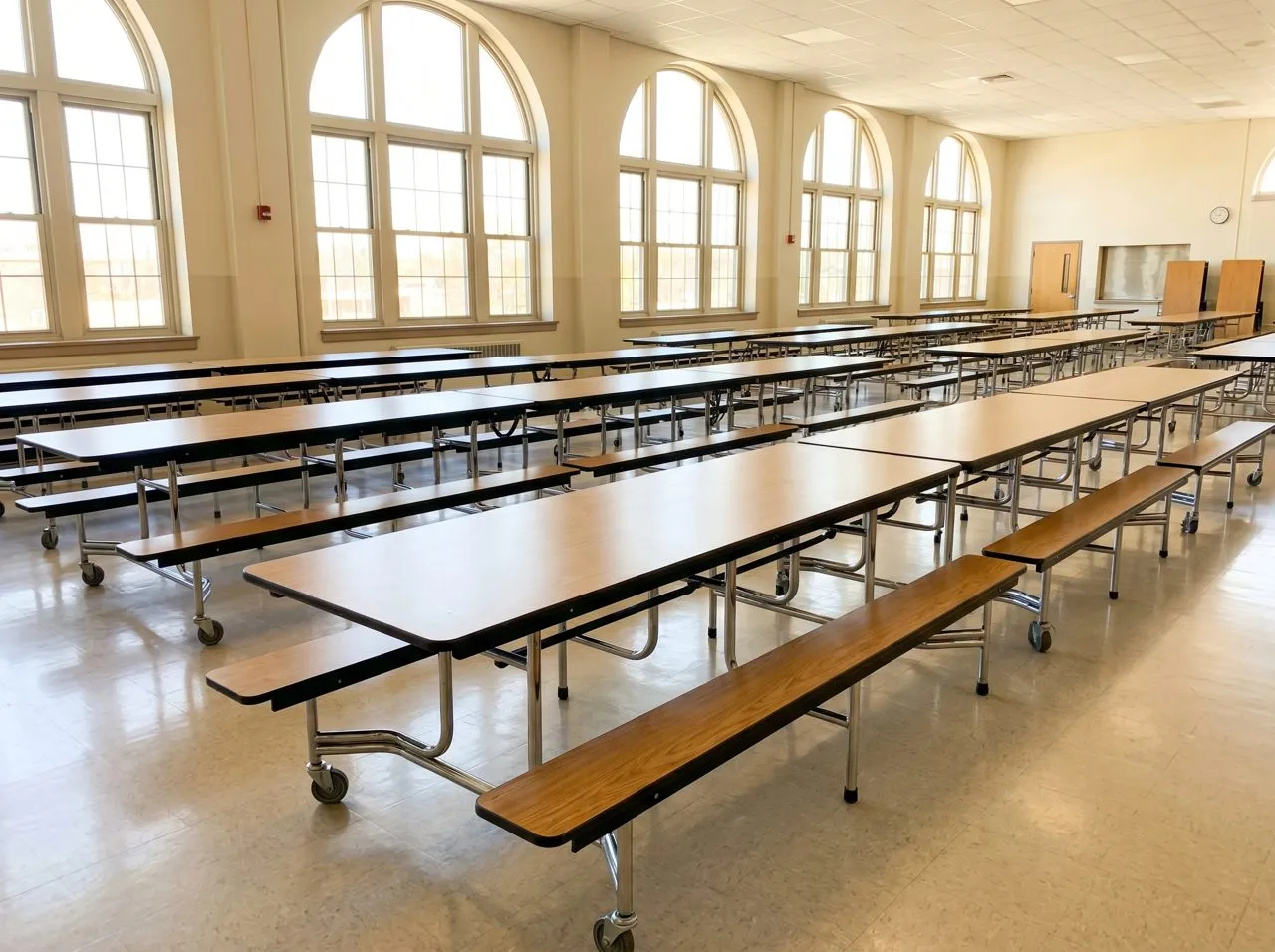
A school has everything pests want — cafeterias, classrooms full of snacks, landscaping, and constant foot traffic — and the least tolerance for risky treatment, because the occupants are children. California’s Healthy Schools Act makes that explicit: public K-12 schools and licensed child-care centers must use Integrated Pest Management, favor least-hazardous methods, notify parents and staff of pesticide applications, post warning signs, and keep records. So a school program has to clear two bars at once — actually controlling ants, roaches, rodents, and wasps across a big campus, and doing it within a framework built to protect kids. Get either wrong and you have either a pest problem or a compliance problem.
The pests we manage on campus
Campuses combine food service, classrooms, and outdoor play areas, so the pest profile spans indoor and outdoor — and several of these are safety issues, not just nuisances.
Campus pest priorities
IPM-first service built around the school calendar
Our school program leads with least-hazardous IPM: inspection, monitoring, exclusion, sanitation guidance, and baiting in tamper-resistant stations, with any pesticide use reserved for when it’s genuinely needed and applied when students aren’t present. We schedule around the school day — after hours, weekends, and breaks — and we support your designated IPM coordinator with the notifications, posting, and records the Healthy Schools Act requires. Stinging insects near playgrounds and fields get priority because they’re a direct safety risk to students, and cafeteria and classroom ant pressure gets the steady, low-risk attention that actually keeps it down.
California’s Healthy Schools Act requires IPM, least-hazardous practices, advance parent and staff notification, warning-sign posting, and recordkeeping for school pesticide use. We help you meet all of it: an IPM-based program, notifications and postings tied to any application, and complete service and product records — so your campus is protected and compliant without the administrative scramble.
Daycares, preschools, and universities
Compliance and child-safety expectations scale across the whole education sector. Licensed child-care centers fall under the same Healthy Schools Act requirements as K-12 campuses and need the same least-hazardous, documented approach in an even more sensitive setting. Colleges and universities bring dorms, dining halls, labs, and athletic facilities — closer to a mixed commercial campus. We tailor the program to the setting while keeping the same safety-first, well-documented core.
Why Fresno schools choose Total Pest Control
We’re local, licensed, and insured (owner Paul Outfleet, CA SPCB Branch 2), and we run school accounts the way the law and parents expect — least-hazardous methods, careful scheduling around kids, and tight records. The same team learns your campus and works with your staff, so compliance and pest control both stay handled year-round rather than becoming a fire drill.
Request a campus assessment →School pest control FAQ
What is the Healthy Schools Act?
It’s the California law governing pest control at public K-12 schools and licensed child-care centers. It requires Integrated Pest Management, use of least-hazardous methods, advance notification to parents and staff before pesticide applications, posting of warning signs, and recordkeeping. The goal is effective pest control with minimal pesticide exposure for children.
How is pest control done safely in schools?
Through least-hazardous IPM: inspection, monitoring, exclusion, sanitation, and tamper-resistant baiting, with pesticides used only when necessary and applied when students aren’t present. Treatments are scheduled after hours or during breaks, and applications are notified, posted, and documented per state law.
When can schools be treated for pests?
Generally outside school hours — after the day ends, on weekends, or during breaks — so students aren’t present during application, with required notification and posting beforehand. We schedule around your calendar to keep both children and compliance protected.
Do you handle daycares and preschools?
Yes. Licensed child-care centers fall under the same Healthy Schools Act requirements as K-12 schools, so we use the same least-hazardous, documented IPM approach — adapted for the smaller, even more sensitive setting of a preschool or daycare.
Do you provide the required notifications and records?
Yes. We support your designated IPM coordinator with the advance notifications, warning-sign postings, and pesticide-use records the Healthy Schools Act requires, and we keep service documentation complete so your program is audit-ready and compliant.
Keep your campus pest-free and compliant.
Call (559) 472-8200 or request a campus assessment — we’ll build a Healthy Schools Act-compliant IPM program that protects students and staff.