
Home › Learn › Flying Termites vs. Flying Ants
Flying Termites vs. Flying Ants: How to Tell Them Apart
A cloud of winged insects indoors is alarming — but is it termites or just flying ants? The difference matters a lot. Here's how to tell them apart in seconds, and what to do next.
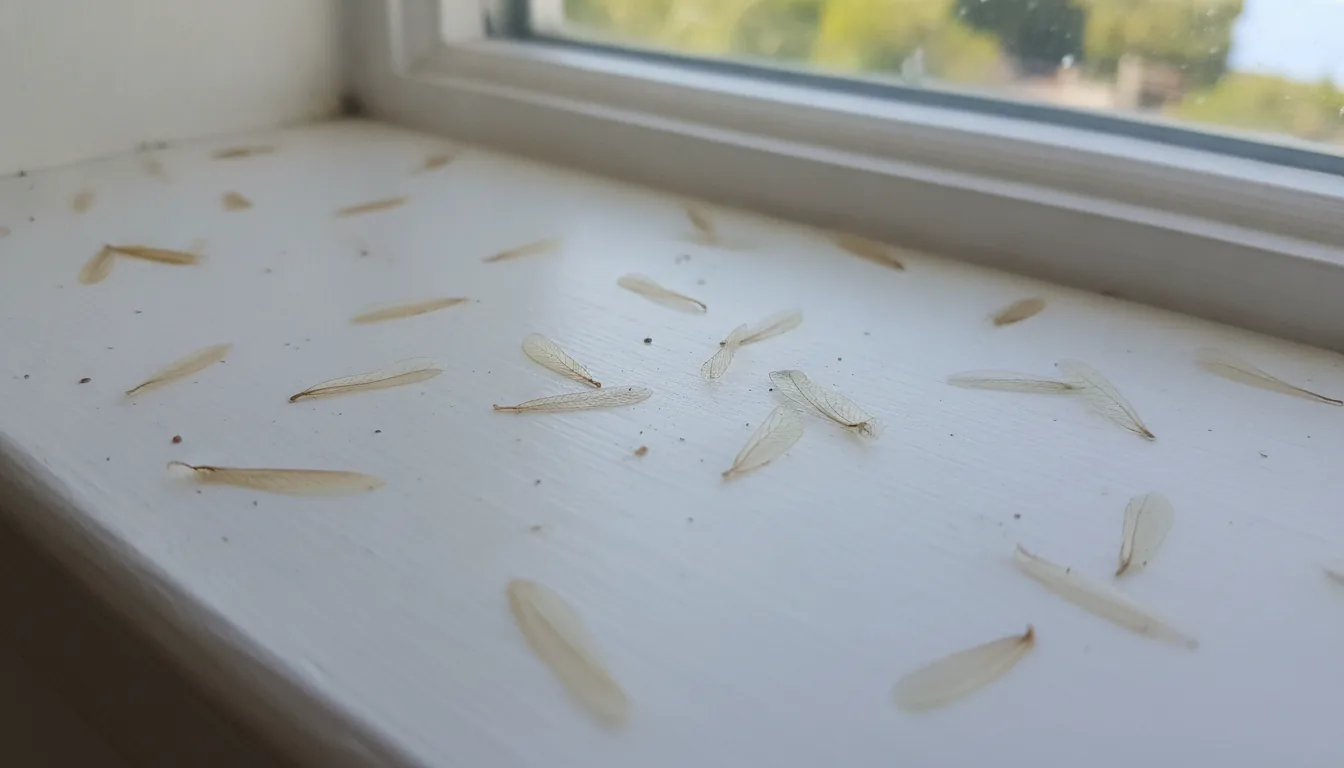
Every spring, homeowners across the Valley find a swarm of winged insects by a window and wonder if they’re in trouble. Flying termites and flying ants look alike at a glance, but they mean very different things — a flying ant is usually a nuisance, while flying termites indoors point to a colony that may be eating your home. Here’s how to tell which you’re looking at.
Flying termites vs. flying ants: side by side
The three fastest tells: look at the antennae (straight = termite, bent = ant), the waist (broad = termite, pinched = ant), and the wings (all equal = termite, uneven = ant).
What are termite swarmers?
“Flying termites” are swarmers — the winged reproductive termites a mature colony releases to mate and start new colonies. They’re strongly drawn to light, they’re weak fliers, and they shed their wings almost immediately after landing. Because the colony only produces them once it’s well established, a swarm inside your home is one of the earliest clear warnings of an active infestation nearby.
When do termites swarm in the Central Valley?
Subterranean termites typically swarm in spring, often on warm days after rain. Drywood termites tend to swarm after warm spells in late summer and fall. Both are pulled toward lights and windows, which is why you usually notice them indoors near a glass door or a lamp.
Why flying termites matter more than flying ants
Most flying ants are simply a seasonal nuisance. Flying termites indoors are different: they signal a reproducing colony in or near the structure, quietly consuming wood. (One exception on the ant side — carpenter ants can also damage wood — so if it turns out to be ants, it’s still worth identifying which kind.)
That’s the clearest early warning of a termite colony. Save a few samples, note where they appeared, and book an inspection to confirm the species and find the source.
What to do if you find flying termites
Don’t panic, and don’t reach for bug spray as your fix — killing the visible swarmers does nothing to the colony. Instead, collect a few in a bag or take a clear photo, note the room and window where they appeared (it helps locate the colony), and book a professional inspection to confirm what you have.
Book a termite inspection →Flying termites FAQ
How can I tell flying termites from flying ants?
Termites have straight antennae, a broad waist, and four equal-length wings. Ants have bent (elbowed) antennae, a pinched waist, and front wings longer than the rear pair.
Do flying termites mean I have an infestation?
Swarmers indoors mean a mature colony is reproducing nearby, so it is almost always worth a professional inspection.
When do termites swarm?
Subterranean termites typically swarm in spring, often after rain; drywood termites swarm after warm spells in late summer and fall.
Are flying ants harmful?
Most flying ants are just a nuisance, but carpenter ants can damage wood too, so it’s still worth identifying which kind you have.
Why are there piles of wings on my windowsill?
Termite swarmers shed their wings quickly after flying, so small piles of equal-length wings near windows are a common sign a swarm occurred indoors.
What should I do if I see a swarm?
Collect a few samples, note where they appeared, and book an inspection so the species can be confirmed and the colony located.
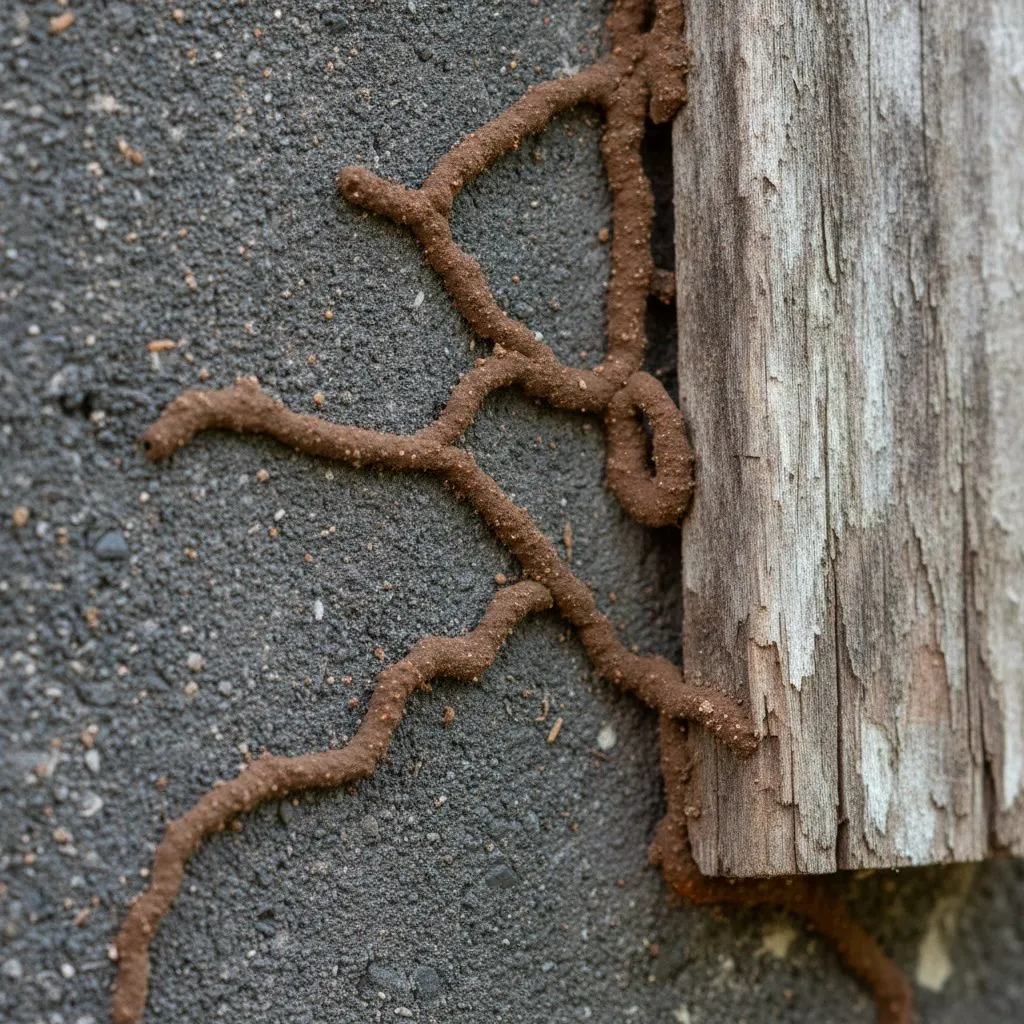
Swarmers in the house? Don't guess — confirm.
If those winged insects are termites, the colony is already at work. A quick inspection tells you for sure and pinpoints where they're coming from. Fresno's licensed team since 2020.