
Home › Learn › Safety
Wasp Sting Treatment: Symptoms, Relief & When It’s an Emergency
Most wasp stings are painful but harmless and clear up on their own. Here’s how to treat a normal sting, what swelling is normal, and the warning signs of an allergic reaction that needs emergency care.
For a normal wasp sting, the basics are simple: wash the area with soap and water, apply a cold pack to ease pain and swelling, and use an over-the-counter pain reliever or antihistamine if you need it. Most stings hurt sharply at first and then settle within a few hours to a couple of days. The exception is an allergic reaction — trouble breathing, swelling of the face or throat, or dizziness — which is a medical emergency.
Trouble breathing or swallowing, swelling of the lips, tongue, or throat, widespread hives, dizziness or fainting, a racing pulse, or nausea and vomiting after a sting can signal a severe allergic reaction (anaphylaxis). Use an epinephrine auto-injector (EpiPen) if one is prescribed and call 911 right away. This page is general information, not medical advice.
What a normal wasp sting feels like
A typical wasp sting causes sudden sharp pain, then a raised red welt with some swelling, warmth, and itching right around the spot. According to the Mayo Clinic, these mild, local reactions usually improve within a few hours. Some people get a “large local reaction” — the redness and swelling spread over a wider area and can keep growing for a day or two before fading over about a week. That’s uncomfortable and looks alarming, but on its own it’s not the same as a dangerous allergic reaction.
How to treat a wasp sting at home
For a normal sting, these steps help with pain and swelling:
Move away from the area — wasps can sting repeatedly and may signal others — then wash the sting with soap and water.
Apply a cold pack or a cloth-wrapped bag of ice for 10–20 minutes to reduce pain and swelling.
Take an over-the-counter pain reliever (such as ibuprofen or acetaminophen) for discomfort, and an oral antihistamine for itching and swelling, following the label.
Keep the area clean and try not to scratch; a hydrocortisone cream or calamine lotion can ease itching as it heals.
If the sting is on your hand or arm, remove rings and tight items in case of swelling, and elevate the limb.
Wasp sting swelling: what’s normal and what’s not
Swelling right around the sting is normal and expected. Even swelling that spreads several inches — a large local reaction — can be normal for some people and is usually treated with cold packs, antihistamines, and time. What’s not normal is swelling that shows up away from the sting — especially the face, lips, tongue, or throat — or swelling that comes with trouble breathing, hives across the body, or dizziness. That points to an allergic reaction and needs emergency care, not home treatment.
Normal reaction vs. allergic reaction
When a wasp sting is an emergency
Can a wasp sting more than once?
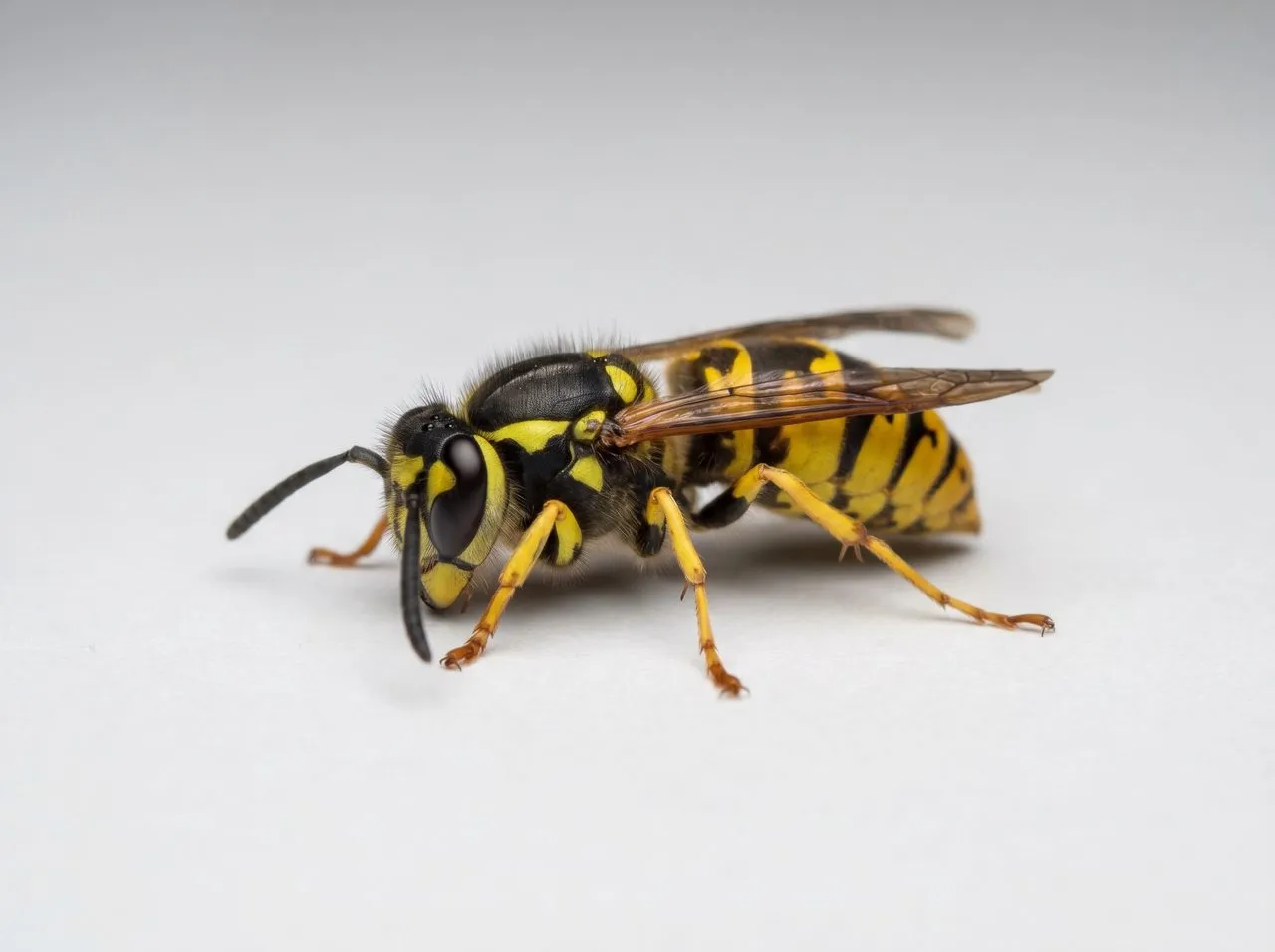
Yes. Unlike honeybees, which leave their barbed stinger behind and die, wasps and yellowjackets have a smooth stinger and can sting repeatedly. A single agitated yellowjacket can sting several times, and a disturbed nest can deliver dozens of stings in seconds. Because there’s usually no stinger left behind, there’s nothing to scrape out — just move away from the area calmly and treat the stings. Multiple stings, or stings in someone with a known allergy, warrant a call to a doctor even without severe symptoms.
Why repeated stings mean a nest is nearby
A single sting is usually bad luck; repeated stings, or several wasps at once, almost always mean a nest close by — often a hidden yellowjacket nest in the ground or a wall. That’s the real safety issue: as long as the nest is there, anyone mowing, gardening, or playing in the yard is at risk, and the colony only grows through late summer. Identifying the nest (see what a wasp nest looks like) and having it removed is what actually prevents the next round of stings.
Wasp sting FAQ
How do you treat a wasp sting?
For a normal sting, wash the area with soap and water, apply a cold pack for 10–20 minutes, and use an over-the-counter pain reliever or antihistamine for pain and itching. Keep it clean and avoid scratching. Most stings settle within hours to a couple of days. Seek emergency care for any sign of a severe allergic reaction.
How long does wasp sting swelling last?
Swelling at the sting usually peaks within a few hours and eases over one to two days. Some people have a “large local reaction” where swelling spreads several inches and lasts up to about a week — still treated with cold packs, antihistamines, and time. Swelling of the face, throat, or whole body is different and needs emergency care.
When is a wasp sting an emergency?
Call 911 if you have trouble breathing or swallowing; swelling of the lips, tongue, or throat; hives spreading across the body; dizziness or fainting; a racing pulse; or vomiting after a sting. These are signs of anaphylaxis. Use an epinephrine auto-injector if one is prescribed.
How many times can a wasp sting you?
A wasp can sting multiple times. Unlike honeybees, wasps and yellowjackets don’t leave their stinger behind, so a single wasp can sting repeatedly, and a disturbed nest can deliver many stings quickly. That’s why the safest response is to move away calmly rather than swat.
Are wasp stings dangerous?
For most people a wasp sting is painful but not dangerous and heals on its own. The danger is for people allergic to wasp venom, who can have a severe, life-threatening reaction, and for anyone who receives many stings at once from a disturbed nest. Repeated stings are also a warning that a nest is nearby.
Stung more than once? There’s a nest nearby.
Call (559) 472-8200 or request a no-cost inspection — we’ll locate and remove the nest, including hidden ground and wall nests, before anyone else gets stung.