
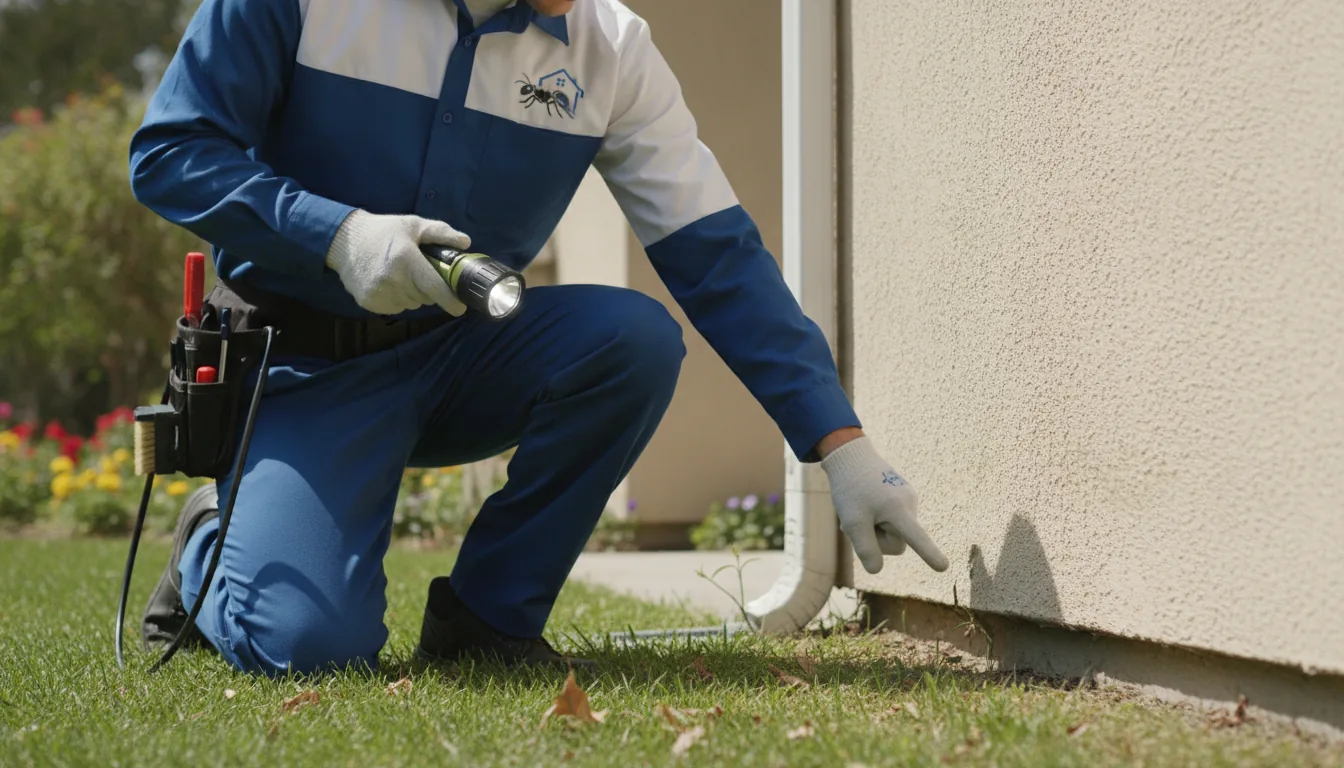
Termites are one of the few household pests where do-it-yourself almost never solves the problem. The colony — the part you have to kill — is hidden deep in wood or underground, well out of reach of anything you can buy at a hardware store. Here’s an honest walk through what actually works, what wastes your money, and how to keep termites from coming back once they’re gone.
Why DIY termite control usually fails
Store-bought sprays and foams kill the termites you can see, but they don’t reach the colony — the soil nest of a subterranean colony or the galleries drywood termites cut deep inside your framing. A partial treatment just thins the visible workers while the colony keeps feeding. That’s why DIY efforts tend to delay real treatment while the damage quietly grows.
Step 1: Identify the termite — it changes everything
Subterranean and drywood termites are eliminated in completely different ways, so the first step is always identification. Subterranean termites leave mud tubes and live in the soil; drywood termites leave pellet frass and live inside the wood. Our guides on the signs of termites and what termites look like walk through how to tell them apart.
Step 2: The treatments that actually work
Which one is right depends entirely on the species and how far it has spread — our termite treatment guide compares them in detail.
Step 3: Fix what attracted them
Treatment removes the colony; prevention keeps the next one out. These steps make your home far less inviting:
Fix leaks and grade soil so water drains away from the foundation.
Remove wood-to-soil contact — siding, posts, and deck supports touching the ground.
Clear cellulose debris — scrap wood, cardboard, and mulch piled against the house.
Improve crawlspace ventilation and reduce moisture under the home.
Store firewood and lumber off the ground and away from the structure.
Prevention won’t remove an active colony. If you have any signs of termites, start with an inspection so the right treatment can be matched to the species — then prevention keeps them from returning.
When to call a professional
If you see active signs, you’re in a real-estate transaction, or termites keep coming back, it’s time to hire it out. Licensed treatment reaches the colony, comes with documentation, and is usually backed by a warranty — none of which a DIY approach can offer. Termites are simply one of those problems where professional treatment is the cheaper path in the long run.
See termite treatment options →Getting rid of termites FAQ
Can I get rid of termites myself?
You can reduce risk with moisture and wood-to-soil fixes, but reliably eliminating an active colony requires professional treatment that reaches the nest — something DIY products can’t do.
What kills termites permanently?
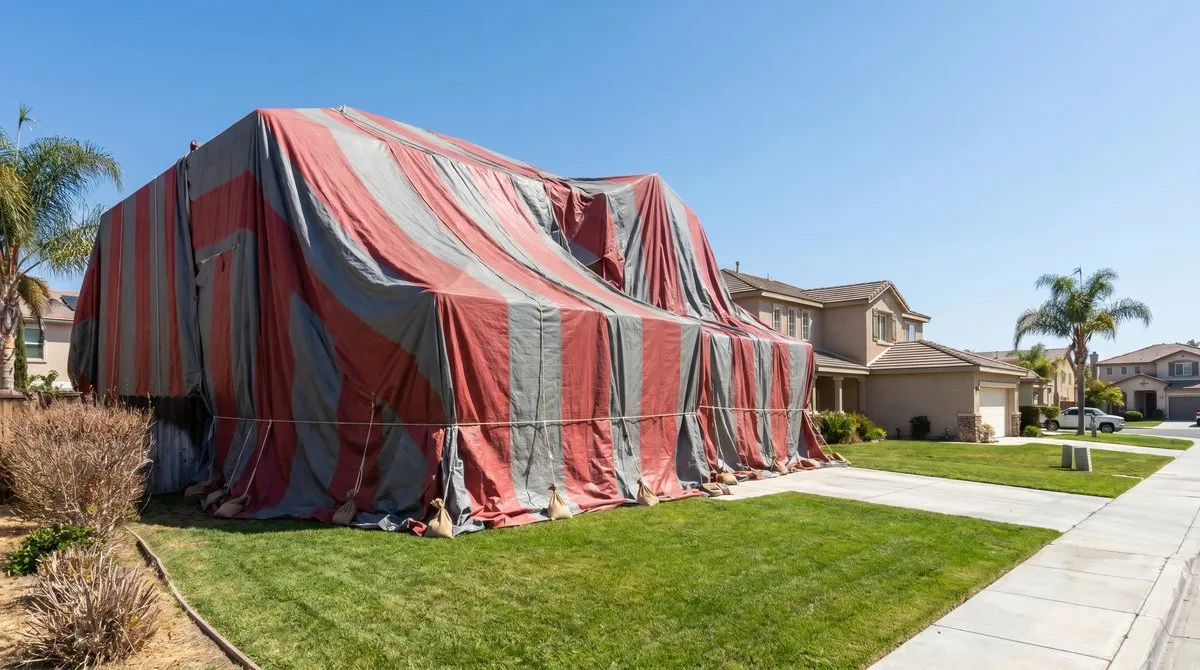
A professional treatment matched to the species — a soil barrier or baiting for subterranean, fumigation or localized treatment for drywood — combined with correcting the conditions that attracted them.
Do store-bought termite treatments work?
They kill the termites you can see but rarely reach the colony, so the infestation typically continues underneath the surface.
How long does it take to get rid of termites?
Localized treatments can be a single visit, fumigation takes two to three days, and baiting works over weeks to months as the colony declines.
How do I keep termites from coming back?
Control moisture, remove wood-to-soil contact and cellulose debris, and keep up regular inspections or a bait or warranty program.
What’s the first step?
Identify what you have. Book an inspection to confirm whether it’s subterranean or drywood termites, then treat accordingly.
Ready to get rid of termites for good?
Skip the hardware-store guesswork. We'll identify the species, treat the colony at the source, and help you keep them out — licensed, local, and protecting Fresno homes since 2020.