
Home / Learn / Where Do Cockroaches Hide
Where Do Cockroaches Hide During the Day?
If you see one cockroach in the daytime, more are hiding nearby. Cockroaches squeeze into warm, dark, humid crevices during the day. Here is exactly where they hide, why they choose those spots, and how to find and treat them.
If you see one cockroach in the daytime, more are hiding nearby. Cockroaches are nocturnal and spend the daylight hours wedged into warm, dark, humid crevices close to food and water, then come out at night to feed. The most common hiding spots are inside and under kitchen cabinets, behind and beneath the refrigerator, stove, and dishwasher, around sink and dishwasher plumbing, inside wall voids and cracks, and behind baseboards and appliances. This guide covers exactly where cockroaches hide, why they choose those spots, how the species differ, and how to find and treat the harborage.
The most common cockroach hiding spots
Kitchens and bathrooms are roach headquarters because they offer the three things cockroaches need: food, water, and warmth. Start your search there and work outward.
In the kitchen, check under the sink and around the pipes, behind and beneath the refrigerator, stove, and dishwasher where the warm motors are a favorite, inside cabinet hinges and corners, in the gaps where cabinets meet the wall, and behind the toe-kick panel at the floor. In the bathroom, look under the sink, around the toilet base, behind access panels, and anywhere plumbing enters the wall. Elsewhere in the home, roaches hide behind baseboards and door frames, inside electronics and clutter, behind picture frames and loose wallpaper, in cardboard boxes and paper bags, and around water heaters, laundry areas, and floor drains.
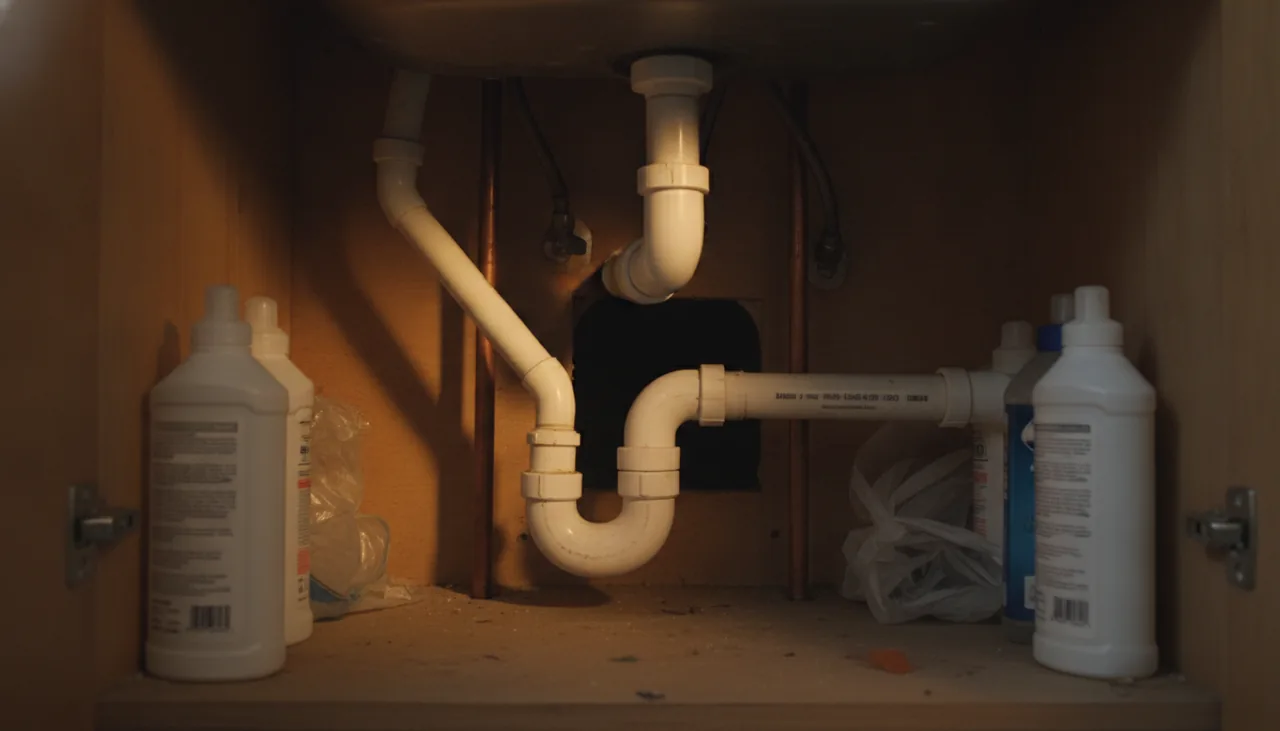
Why cockroaches choose these spots
Cockroaches are drawn to tight spaces that touch their body on both sides, a behavior called thigmotaxis, which is why they pack into cracks, hinges, and the gaps behind appliances rather than sitting on open shelves. They also follow warmth and moisture: the heat from a refrigerator or dishwasher motor, the condensation under a sink, and the dampness around drains all make a spot more attractive. And they stay close to food, even crumbs and grease, so harborage is almost always within a short crawl of a food source.
Why you only see a few
Cockroaches are nocturnal and avoid light, so the ones you see are a small fraction of the population. Spotting a roach in the daytime often means the hiding spots are overcrowded, which points to a larger, more established infestation. German cockroaches in particular reproduce quickly, with one female and her offspring capable of producing hundreds in a few months, and they stay hidden near food, so by the time you see them in the open the colony is already well underway.
Different roaches hide in different places
Where roaches hide depends on the species. German cockroaches, the small tan roaches that infest kitchens and bathrooms, stay indoors and pack into warm, humid crevices near food, which is what makes them the hardest to control. American and Oriental cockroaches, the larger dark roaches, prefer damp, cooler spaces like drains, basements, crawl spaces, garages, and sewer lines, and often come in from outside. Turkestan cockroaches, now common across the Central Valley, live mostly outdoors in water-meter boxes, leaf litter, and irrigation lines, and wander in through gaps. Knowing which roach you have tells you where to look; see the types of cockroaches in California to identify yours.
How to find where they are hiding
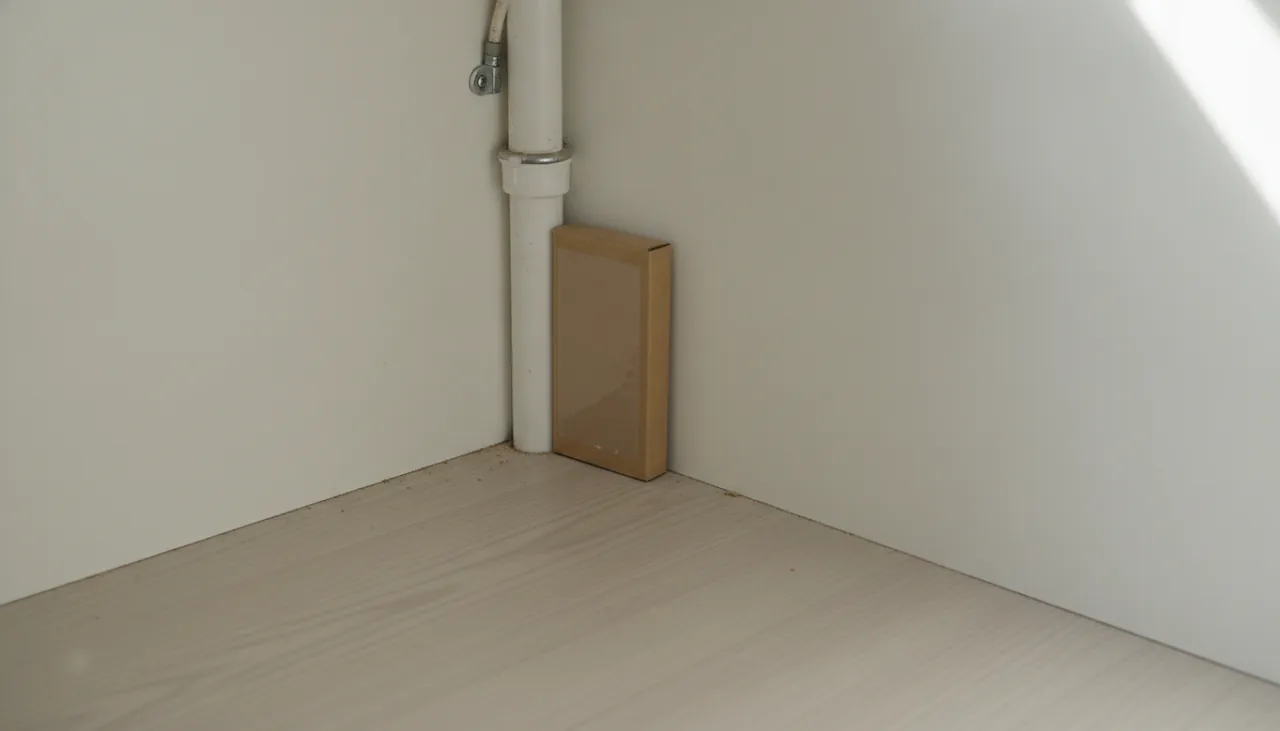
Two simple methods reveal the harborage. First, a flashlight check at night: turn off the lights, wait a while, then walk into the kitchen and switch on a flashlight to catch roaches before they scatter, noting where they run. Second, sticky monitor traps placed flat against walls, in cabinet corners, and under appliances will catch roaches as they travel and show you which areas are busiest within a few days. The spots with the most catches are where treatment needs to go.
How to treat the hiding spots
Finding the harborage is only half the job. German cockroaches resist many over-the-counter sprays, and spraying a crack can actually scatter them deeper into wall voids and adjacent rooms, making the problem worse. Effective control uses targeted gel baits and crack-and-crevice treatment placed precisely where roaches hide and travel, combined with reducing moisture, sealing cracks, and cleaning up food and grease so the survivors have nothing to come back to. That combination is why professional treatment succeeds where repeated DIY usually stalls. For more, see the signs of a cockroach infestation and how to control German cockroaches.
Get cockroach controlWhere Cockroaches Hide FAQ
Where do cockroaches hide during the day?
Cockroaches hide during the day in warm, dark, humid crevices near food and water, most often inside and under kitchen cabinets, behind the refrigerator and stove, around sink and dishwasher plumbing, inside wall voids and cracks, and behind baseboards. They come out at night to feed.
Does seeing one cockroach mean an infestation?
Usually yes. Because roaches are nocturnal and hide in tight crevices, the ones you see are a small fraction of the population. Spotting one in daylight often means the hiding spots are crowded, which points to a larger, established infestation, especially with German cockroaches.
Where do cockroaches hide in a bedroom or living room?
Beyond the kitchen and bathroom, roaches hide behind baseboards and door frames, inside electronics and clutter, behind picture frames and loose wallpaper, and in cardboard boxes and paper bags. They follow warmth and any available crumbs, so a nightstand with snacks nearby can become a harborage.
Where do cockroaches come from?
Cockroaches get in through gaps around doors, windows, pipes, and vents, hitchhike in on grocery bags, cardboard boxes, and used appliances, and travel between apartment units through shared walls and plumbing. Once inside they settle into warm, humid harborage near food, which is why sealing entry points and reducing clutter both help.
What attracts cockroaches to their hiding spots?
Cockroaches are drawn to food residue, grease, crumbs, pet food, and garbage, and to moisture from leaks, condensation, and drains, with warmth from appliance motors adding to the appeal. Reducing those three things, food, water, and warmth, is one of the most effective ways to make a home less roach-friendly.
How do I get rid of cockroaches in their hiding spots?
Place sticky monitors to locate the harborage, reduce moisture and clutter, seal cracks, and treat with targeted baits rather than broad sprays, which can scatter German cockroaches deeper into walls. Because they hide so well and reproduce fast, professional crack-and-crevice baiting is the most reliable fix.
Seeing roaches in the daylight?
That usually means more are hiding nearby. Get licensed Fresno cockroach control that finds the harborage and treats it directly.