
Home › Learn › What Termites Look Like
What Do Termites Look Like? A Visual Identification Guide
Most people never see a termite until they go looking. Here's what termites actually look like — workers, soldiers, and swarmers — and how to tell them apart from ants and between species.
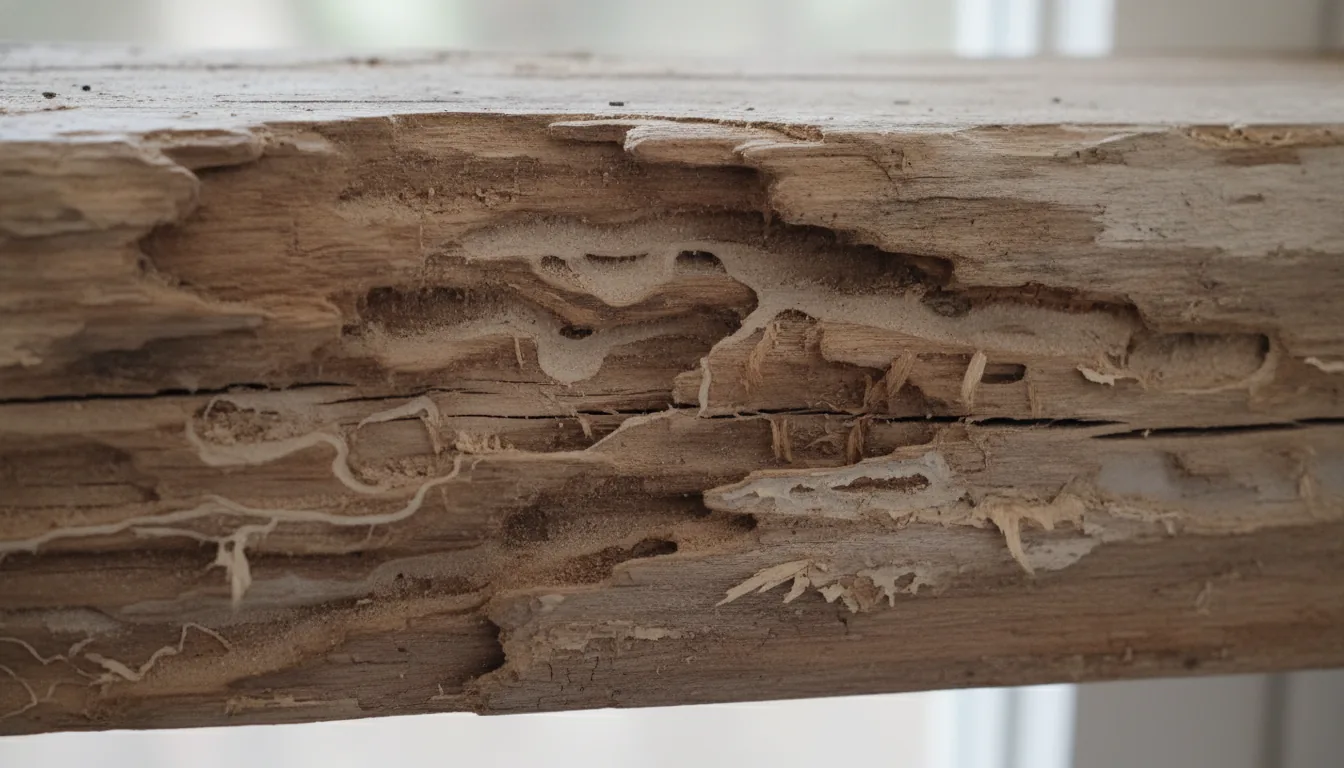
Termites spend almost their entire lives hidden inside wood or underground, so most people only see one when a swarm appears or a piece of wood is opened up. Knowing what each kind looks like — and how to tell a termite from a look-alike ant — helps you react quickly when you do spot one.
What a termite looks like: the basics
A termite is a small, soft-bodied insect, usually creamy-white to pale, with straight bead-like antennae and a straight body with no pinched waist. A colony contains several different forms (castes), and they don’t all look alike:
Termites vs. ants: the quick test
Winged termites are most often confused with flying ants. Three features tell them apart at a glance:
Flying termites vs. flying ants →Drywood vs. subterranean termites
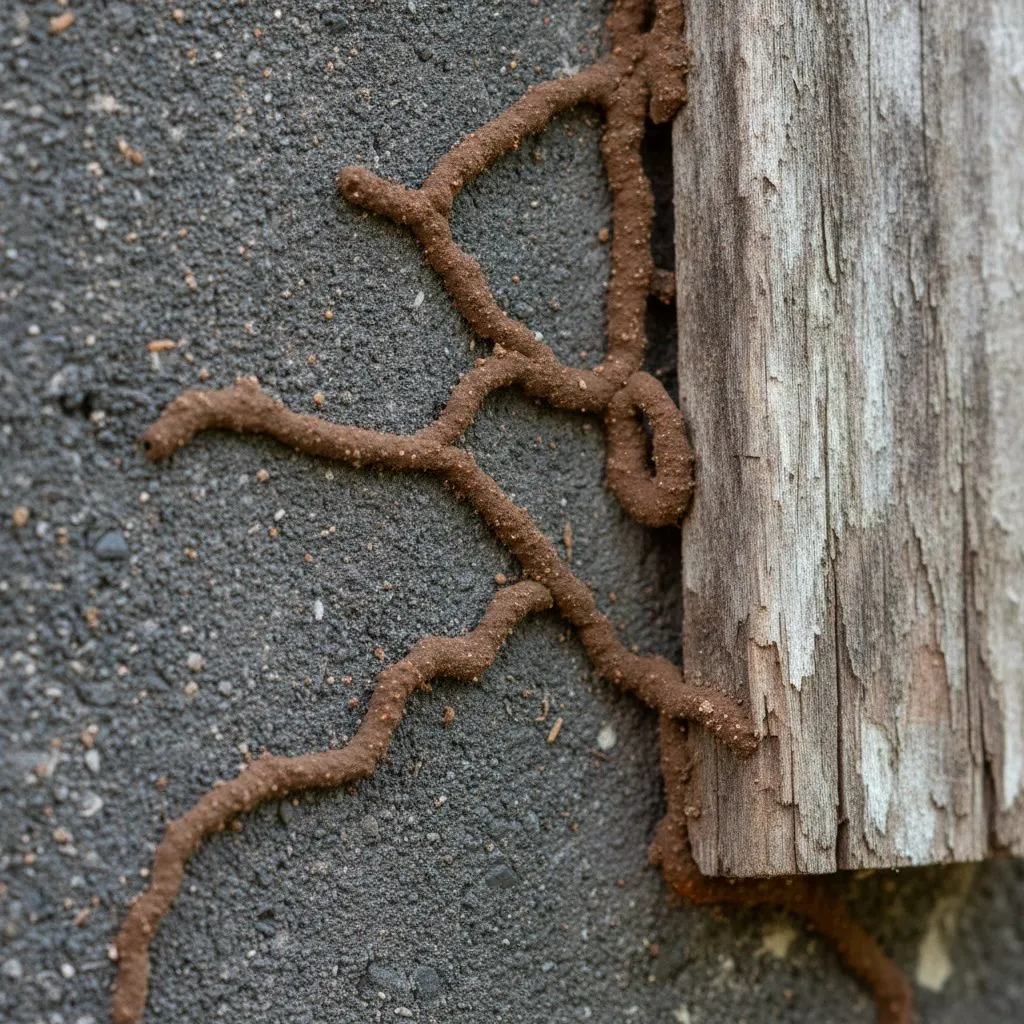
The two species that matter in the Central Valley look broadly similar, with only subtle differences — drywood swarmers tend to be a little larger, subterranean a little smaller and darker. In practice, almost nobody identifies them by the insect itself. You identify them by the evidence: drywood termites leave pellet frass inside the wood, while subterranean termites build mud tubes up from the soil.
What termite damage and droppings look like
Since you’ll usually see the signs before the insect, it helps to know those too — tiny six-sided frass pellets in little piles, pencil-width mud tubes on foundations, and wood that sounds hollow when tapped. Our full guide to the signs of termites breaks each one down.
Snap a clear photo and save a sample if you can. An inspection will confirm whether it’s a termite, an ant, or something else — and which species you’re dealing with.
Termite identification FAQ
What does a termite look like?
A small, soft, pale insect with straight beaded antennae and a straight body without a pinched waist. Winged swarmers are darker, with four equal-length wings.
How big are termites?
Workers are roughly one-eighth to three-eighths of an inch long. Swarmers are a little larger, especially with their wings extended.
What’s the difference between a termite and a flying ant?
Termites have straight antennae, a broad waist, and two pairs of equal-length wings. Ants have bent (elbowed) antennae, a pinched waist, and front wings longer than the rear pair.
What color are termites?
Worker termites are creamy-white to translucent; winged swarmers are dark brown or black.
Do termites look different by species?
Only subtly. Drywood swarmers are a bit larger and subterranean a bit smaller, but most people identify the species by the signs — frass versus mud tubes — rather than the insect.
I found a winged insect indoors — is it a termite?
It may be a swarmer. Save a sample or photo and have it identified; winged termites indoors often mean an active colony in or near the structure.
Not sure what you're looking at?
Send us a photo or book an inspection — our licensed team will identify it and, if it's termites, tell you exactly what to do. Serving Fresno since 2020.