
Home › Learn › Inspections
What Is a WDO Inspection?
A WDO inspection is a licensed check for Wood-Destroying Organisms — the report buyers, lenders, and escrow require before a California home sale. Here is what it covers, what Section 1 and Section 2 mean, who can legally perform one, and how the clearance works.
A WDO inspection — short for Wood-Destroying Organisms inspection — is a licensed examination of a building for termites, wood-boring beetles, fungus/dry rot, and the conditions that lead to them. In California it must be performed by a company licensed through the California Structural Pest Control Board, and it produces a standardized written report. For most home sales, that report is what the buyer, lender, and escrow rely on before closing.
A WDO inspection documents two things: active infestations or damage (Section 1) and conditions that could lead to infestation (Section 2). It is required for most California real-estate transactions, must be done by a licensed company, and ends with a clearance letter once the required work is completed.
What organisms a WDO inspection covers
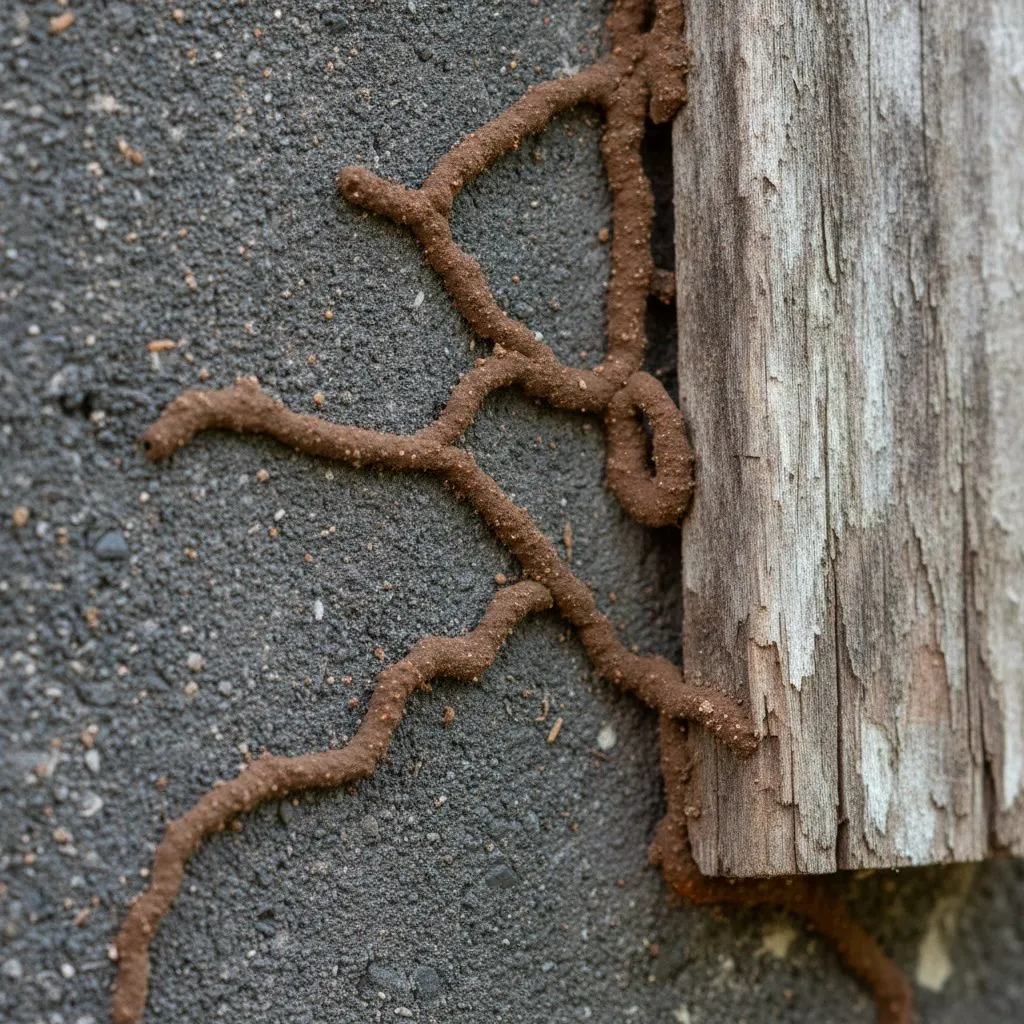
“Wood-destroying organisms” is broader than just termites. A proper WDO inspection looks for every organism that damages structural wood, because any of them can become a Section 1 finding that holds up a sale.
What a WDO inspection looks for
Section 1 vs. Section 2 — the part everyone asks about
Every WDO report sorts findings into two categories. Understanding the difference is the key to reading your report — and to negotiating who pays for what in a sale.
Section 1 vs. Section 2 findings
What the WDO report actually looks like
A California WDO report is a standardized document filed on the Structural Pest Control Board’s form. It includes a diagram of the structure with each finding numbered and located, a written list of findings tagged Section 1 or Section 2, recommendations for correction, and the inspecting company’s license information. Inaccessible or obstructed areas (a sealed attic, a finished basement, blocked subarea) are noted as not inspected — and a further inspection can be recommended if access is later opened up.
When do you need a WDO inspection?
The most common trigger is a home sale: most California lenders, buyers, and escrow companies require a current WDO report before funding. VA loans in particular almost always require a clear WDO/pest report, and many FHA and conventional lenders ask for one when there is evidence of activity or in known termite regions — and the Central Valley is firmly termite country. You may also want one when refinancing, before buying an older home, or simply as a periodic check. The EPA notes that catching termite activity early is far cheaper than repairing structural damage later.
Who can legally perform a WDO inspection?
In California, only a company and inspector licensed through the California Structural Pest Control Board can perform a WDO inspection and issue a report that satisfies escrow — a general home inspector cannot. The Board licenses structural pest control operators (Branch 3 covers wood-destroying pests), regulates the report form, and lets consumers verify a license online. Total Pest Control is a licensed Fresno company (CA SPCB #8539), so the inspection, the report, and any clearance work run through one local team on the closing timeline.
The clearance letter — and how long the report is valid
Once any required Section 1 items are corrected — a localized treatment, a fumigation, a repair — the company issues a Notice of Work Completed, commonly called the clearance letter or termite clearance. That document tells escrow the required work is done. Reports are generally treated as current for a limited window (often a few months), so if a sale drags on, a re-inspection may be required. Your escrow officer sets the exact requirement.
See our WDO / escrow inspections →WDO inspection FAQ
Is a WDO inspection the same as a termite inspection?
They overlap heavily. A termite inspection focuses on termites; a WDO inspection covers all wood-destroying organisms — termites plus wood-boring beetles and fungus/dry rot — and produces the formal report used in real-estate transactions. For a home sale in California you want the WDO report.
How long does a WDO inspection take?
For a typical single-family home, the on-site inspection usually takes 45 minutes to a couple of hours depending on size and access to the attic and crawlspace. The written report follows shortly after.
What does a WDO inspection cost?
It depends on the size and type of property and how accessible it is. We quote real-estate WDO reports up front over the phone before any work begins — call (559) 472-8200 for a clear price.
Who pays for the WDO inspection and repairs?
It is negotiable and varies by transaction, but commonly the seller pays to clear Section 1 items, while Section 2 conditions are negotiated between buyer and seller. Your agent and escrow officer will guide who covers what.
How long is a WDO report valid?
Most lenders and escrow companies treat a WDO report as current for a limited window — often a few months. If a sale drags on, a re-inspection may be required. Check with your escrow officer for the exact requirement.
What happens if the report finds Section 1 items?
Section 1 items generally must be corrected for clearance. We scope the required treatment or repair, complete it on the escrow timeline, and issue the clearance letter so the sale can close. Who pays is negotiated in the contract.
Does a WDO inspection cover the whole house?
It covers all readily accessible areas. Inaccessible or obstructed spaces are noted in the report as not inspected, and a further inspection can be recommended if access is opened up.
Buying or selling a Fresno home?
Call (559) 472-8200 or request your WDO inspection — we deliver a clear written report on the escrow timeline and handle clearance so your closing stays on schedule.