
Home › Termites › WDO & Escrow Inspection
WDO & Escrow Termite Inspections in Fresno
Buying or selling a home in the Central Valley? California real-estate deals run on a termite report. Here's how WDO inspections, Section 1 and Section 2 findings, and the clearance letter actually work — and how we keep your escrow on schedule.
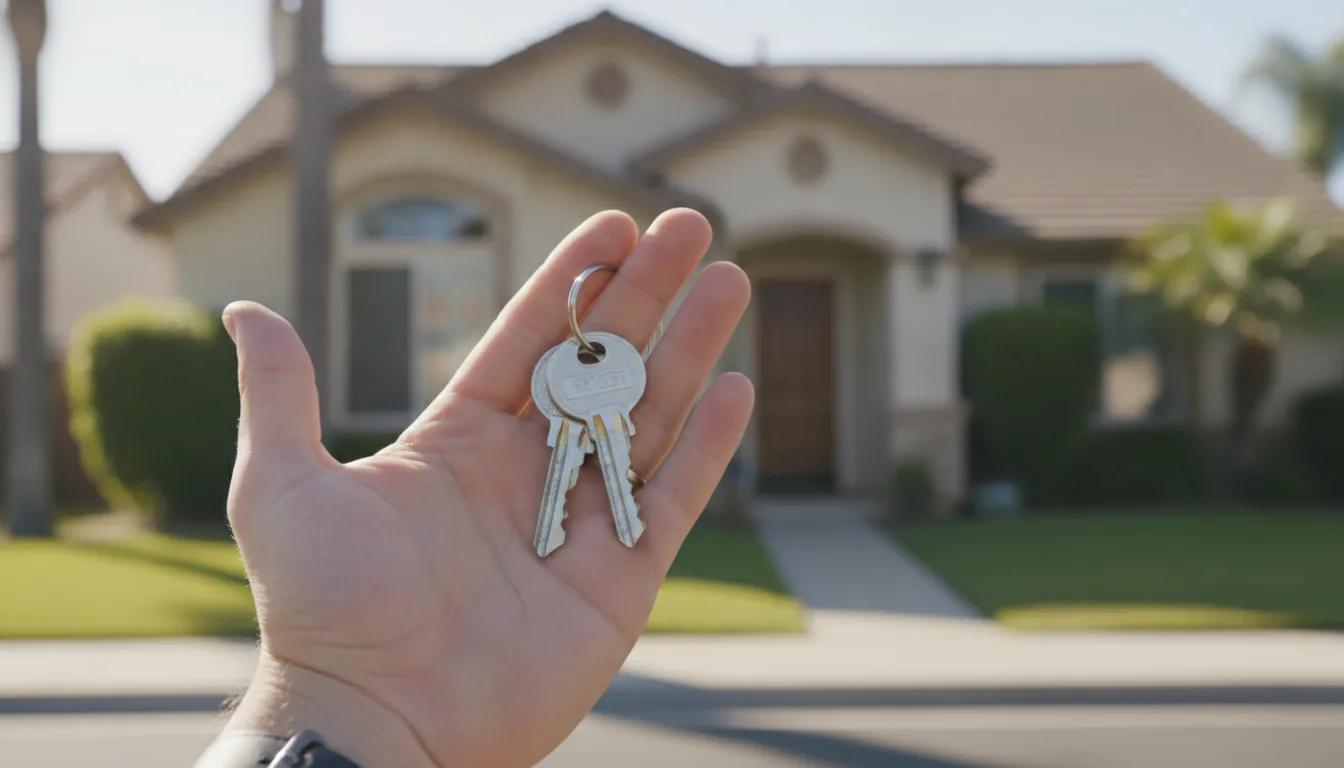
If you're buying or selling a home in Fresno, a wood-destroying organisms (WDO) inspection is almost certainly part of the deal. Lenders, buyers, and agents rely on it to know whether the home has active termites or damage before money changes hands. Total Pest Control Fresno is licensed by the California Structural Pest Control Board (SPCB #8539) to perform these inspections, issue the official report, and clear the findings.
What is a WDO (termite) inspection?
A WDO inspection is a formal, documented inspection of a structure for wood-destroying organisms — subterranean and drywood termites, plus wood-decay fungus (often called dry rot) and wood-boring beetles. A licensed inspector examines the home, files a standardized report with a diagram, and lists every finding. In a real-estate context people call it the “termite report,” the “WDO report,” or simply “the termite inspection.”
Section 1 vs. Section 2: what the report means
A California WDO report sorts every finding into one of two categories. Understanding the difference is the key to a smooth closing:
Section 1 items are the ones lenders and buyers typically require to be corrected before escrow closes. Section 2 items are recommendations — often negotiated between buyer and seller rather than mandatory.
What is a termite clearance (Section 1 clearance)?
Once the Section 1 items are corrected and we re-inspect, we issue a clearance — a certification that the home is free of active infestation and Section 1 damage. That “clearance letter” (sometimes called a Section 1 clearance or a Notice of Work Completed) is usually the document your lender and escrow officer are waiting on to close.
How a WDO inspection fits your escrow timeline
The single biggest cause of termite-related closing delays is ordering the report too late. Here’s the sequence that keeps a deal moving:
Order the inspection early — as soon as you’re in contract, not at the end of escrow.
We inspect and deliver the documented report, usually within a couple of business days.
Any Section 1 items are scheduled for treatment or repair — localized treatment, fumigation, or wood repair, depending on the findings.
We re-inspect and issue the Section 1 clearance for your lender and escrow officer.
We work with Fresno-area realtors and escrow officers on tight timelines — fast scheduling, prompt reports, and clearances that don’t hold up the close. Call us to set up a referral relationship for your listings and buyers.
Who pays for the inspection and repairs?
In California this is negotiable and spelled out in the purchase contract. Traditionally the seller pays for the inspection and the Section 1 clearance, but it varies deal to deal — your agent will guide the specifics. Either way, we give both sides a clear, written scope and price so there are no surprises.
What gets inspected
A WDO inspection covers the same ground as our standard termite inspection — exterior and foundation, sub-area/crawlspace, interior, attic, garage, and detached structures — but it’s documented to the SPCB standard with a diagram and itemized Section 1 and Section 2 findings you can hand straight to your lender.
WDO & escrow inspection FAQ
What is a WDO report?
A wood-destroying organisms (WDO) report is the official California termite inspection report. A licensed inspector documents any active termites, damage, fungus, and conducive conditions in a standardized form used for real-estate transactions.
Is a WDO inspection the same as a termite inspection?
Essentially yes — a WDO inspection is a termite inspection documented to the state standard. It is slightly broader, also covering wood-decay fungus (dry rot) and wood-boring beetles, not just termites.
What’s the difference between Section 1 and Section 2?
Section 1 covers active infestation and existing damage that usually must be cleared before a sale closes. Section 2 covers conditions that could lead to future problems and are typically recommendations rather than requirements.
How long is a WDO report valid?
Reports are generally treated as current for a limited window, and individual lenders may set their own recency requirement. Tell us your closing date and we’ll make sure the report meets your transaction’s timing.
How fast can you turn a report around for escrow?
We prioritize real-estate timelines and can usually inspect and deliver the report within a couple of business days. Ask about expedited scheduling when a closing is tight.
Do you handle the repairs and clearance too?
Yes. We can treat the Section 1 items and re-inspect to issue the clearance, so you have a single point of contact from inspection through close.
Who pays for termite treatment in California, the buyer or the seller?
In California it is negotiable, but custom puts most of it on the seller. Section 1 items on the WDO report — active termites, fungus, and existing damage — are typically the seller's responsibility to clear before close of escrow, while Section 2 preventive items are often left to the buyer. Your purchase contract controls, so confirm who pays for what in writing.
Do I need a termite inspection to sell my house in California?
California does not legally require a termite inspection to sell a home, but most lenders and buyers require a clear WDO (wood-destroying organisms) report before close of escrow. Ordering a termite inspection early lets you handle any Section 1 issues before they hold up your sale.
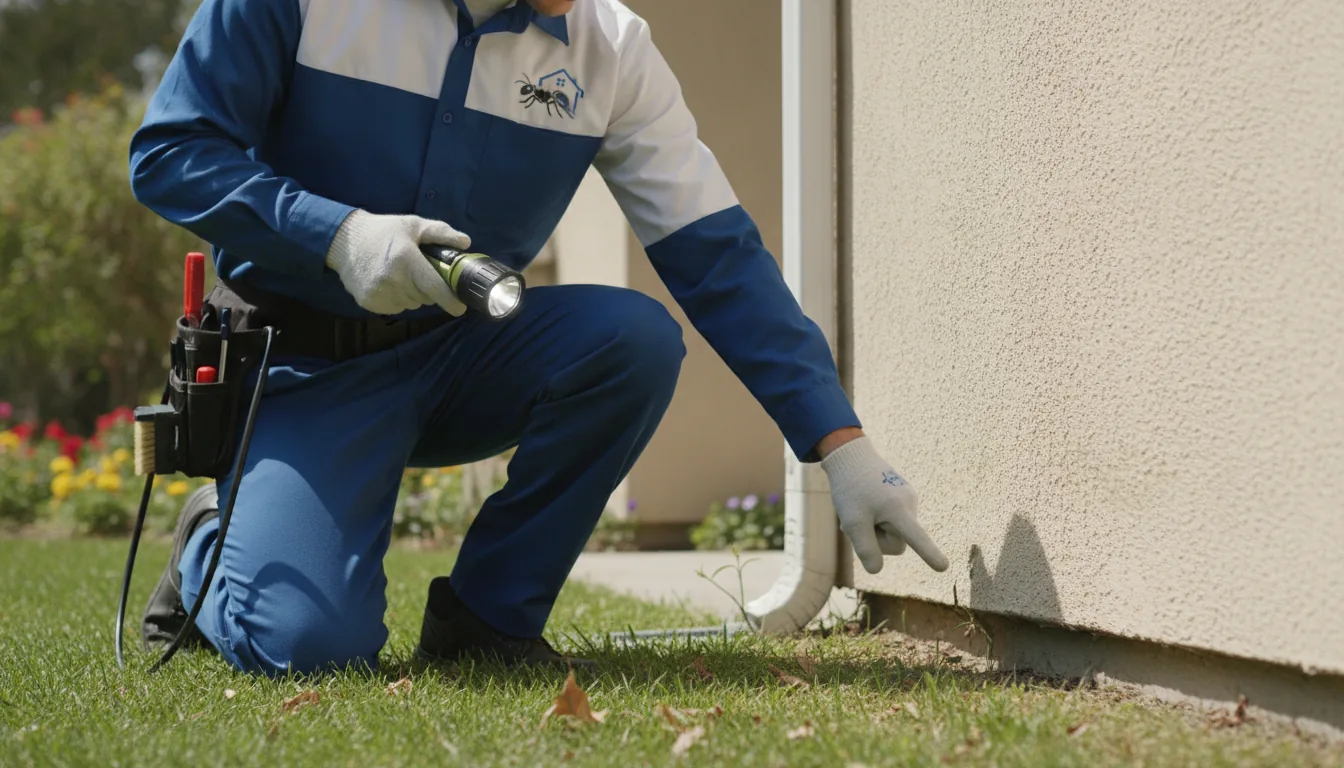
Keep your escrow on track.
Need a termite (WDO) report, a Section 1 clearance, or a fast re-inspection for a Fresno-area closing? We turn reports around quickly and keep your deal moving.