
Home › Learn › Inspections
What to Expect During a Termite Inspection
A termite inspection is a methodical search for subterranean and drywood termites — inside, outside, in the attic, and under the house. Here is how to prepare, what the inspector checks, how the two termite types differ, what happens after, and how often to inspect.
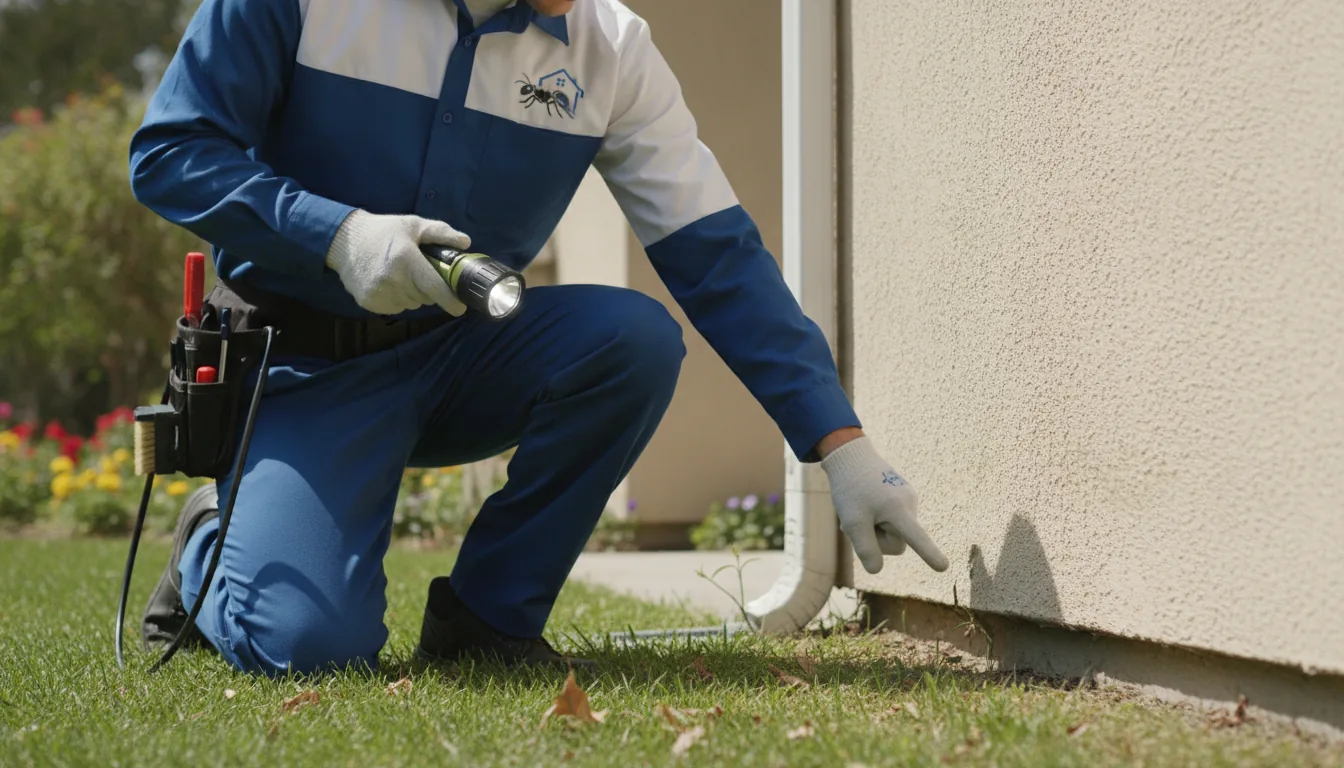
A termite inspection is a careful, top-to-bottom search for the two kinds of termites that damage Central Valley homes: subterranean termites that come up from the soil, and drywood termites that live inside the wood itself. The inspector is looking for live insects, the evidence they leave, and the conditions that draw them. Here is what actually happens.
Expect a 45-to-90-minute walk-through of the exterior, foundation, crawlspace, attic, garage, and interior. The inspector checks for mud tubes, frass, swarmer wings, and hollow wood, then gives you written findings — or, for a home sale, a licensed WDO report.
How to prepare
Make the structure easy to reach. Clear access to the attic hatch, the garage walls, the water heater closet, and under-sink cabinets, and move stored items a foot or two off the perimeter walls. Trim back plants touching the house and clear away any wood debris or cardboard stacked against the foundation. The more wood and foundation the inspector can see, the more complete the inspection — obstructed areas have to be marked as not inspected.
Subterranean vs. drywood — what the inspector is distinguishing
The two termite types live differently and are treated differently, so identifying which one you have drives everything that follows. The UC Statewide IPM Program notes both are widespread in California, and the western drywood termite is especially common in the Central Valley.
Subterranean vs. drywood termites
What the inspector checks
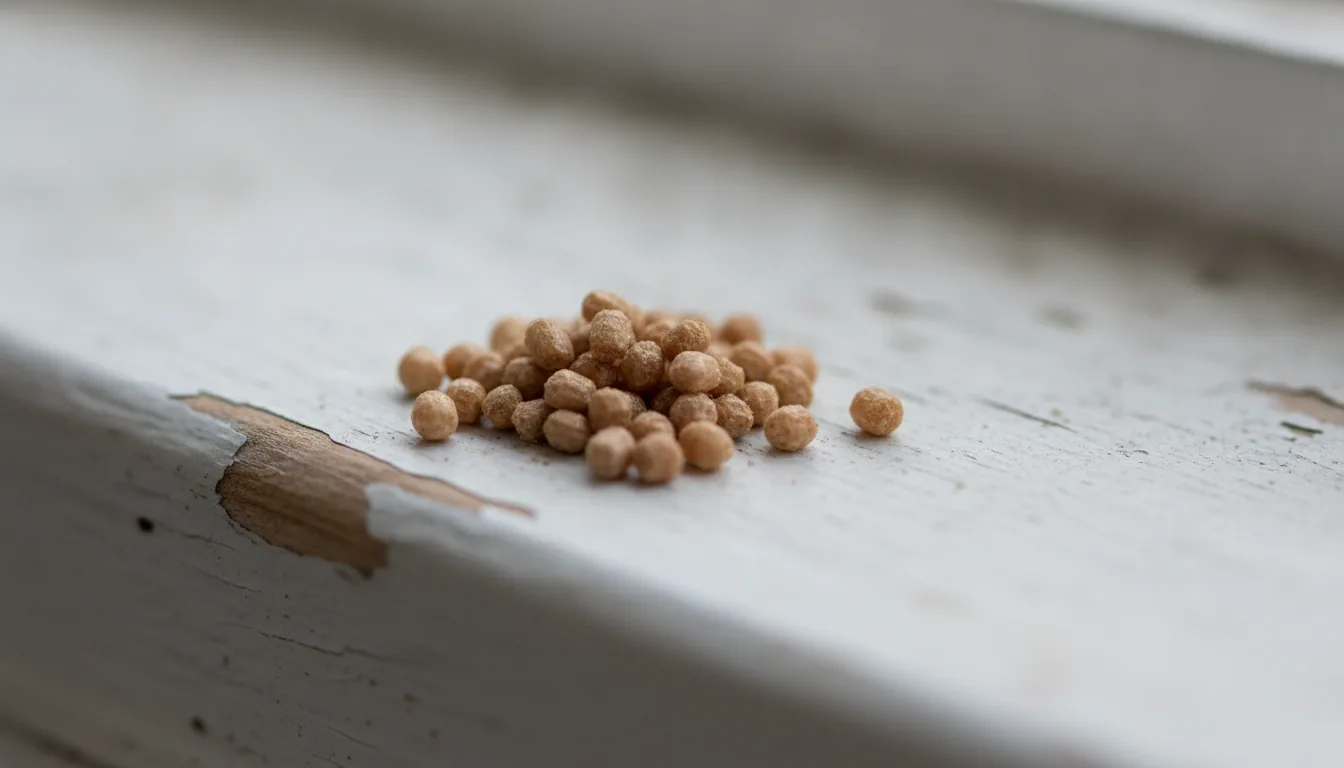
The inspection follows the structure: the exterior and foundation for mud tubes and wood-to-soil contact, the crawlspace or substructure for subterranean activity and moisture, the attic and framing for drywood frass and damage, and the interior windows and baseboards for swarmer wings and hollow-sounding wood. Inspectors probe suspect wood and tap for the dull, hollow sound that signals galleries inside.
Signs a termite inspector looks for
How long it takes and what the report tells you
Most single-family inspections run 45 to 90 minutes. Afterward you get written findings: what was found, where, and the recommended treatment. For a real-estate transaction, that becomes a licensed WDO report with Section 1 (active/damage) and Section 2 (conditions) items, plus a clearance letter once the required work is done.
What happens after the inspection
If termites are found, the inspector matches the treatment to the type and severity. Subterranean infestations are usually handled with a soil-applied barrier or in-ground bait stations; drywood infestations get a localized treatment or, when widespread, a whole-structure fumigation. You can compare the options on our termite treatment page, and the EPA has consumer guidance on protecting a home from termites. We scope the work, schedule it, and — for a sale — issue clearance when it is complete.
How often to inspect, and termite warranties
For Central Valley homes, a termite inspection every one to two years is sensible given how active termites are here, and sooner if you see swarmers, frass, or mud tubes. Many homeowners keep a termite warranty or bond — an annual re-inspection plus retreatment coverage — which is the cheapest insurance against a colony quietly re-establishing.
Book a termite inspection in Fresno →Termite inspection FAQ
How often should I get a termite inspection?
For Central Valley homes, an inspection every one to two years is a good rule of thumb, and sooner if you see swarmers, frass, or mud tubes. Homes under a termite warranty are typically inspected annually.
How long does a termite inspection take?
Usually 45 to 90 minutes for a single-family home, depending on size and how accessible the attic and crawlspace are.
Do I have to leave during the inspection?
No. A termite inspection is non-invasive — you can stay home. You only need to vacate for certain treatments, such as a whole-structure fumigation, not for the inspection itself.
Will the inspector find termites if they are hidden in walls?
A trained inspector reads the indirect signs — mud tubes, frass, swarmer wings, and hollow-sounding wood — to locate activity even when the insects are inside the wood. Probing and tapping suspect areas reveals galleries that are not visible from outside.
Is a termite inspection the same as a WDO inspection?
A termite inspection focuses on termites; a WDO inspection covers all wood-destroying organisms and produces the formal report used in home sales. For buying or selling in California, ask for the WDO report.
How much does a termite inspection cost?
It depends on the size and access of the home. We offer a no-cost inspection for most homeowner termite concerns and quote real-estate WDO reports up front — call (559) 472-8200 for a clear price.
What is the difference between subterranean and drywood termites?
Subterranean termites live in the soil and enter through mud tubes, so they are treated with a soil barrier or bait. Drywood termites live entirely inside the wood and leave frass pellets, so they are treated with a localized treatment or fumigation. The inspection determines which one you have.
Think you might have termites?
Call (559) 472-8200 or request a termite inspection — a licensed Fresno technician will check every accessible area and tell you exactly what is going on.