
Home › Termites › Subterranean Termites
Subterranean Termite Treatment & Control in Fresno
Subterranean termites are the most destructive termite in the Central Valley. They nest in the soil and tunnel up through mud tubes to reach your home's wood. Here's how to spot them — and how we stop them.
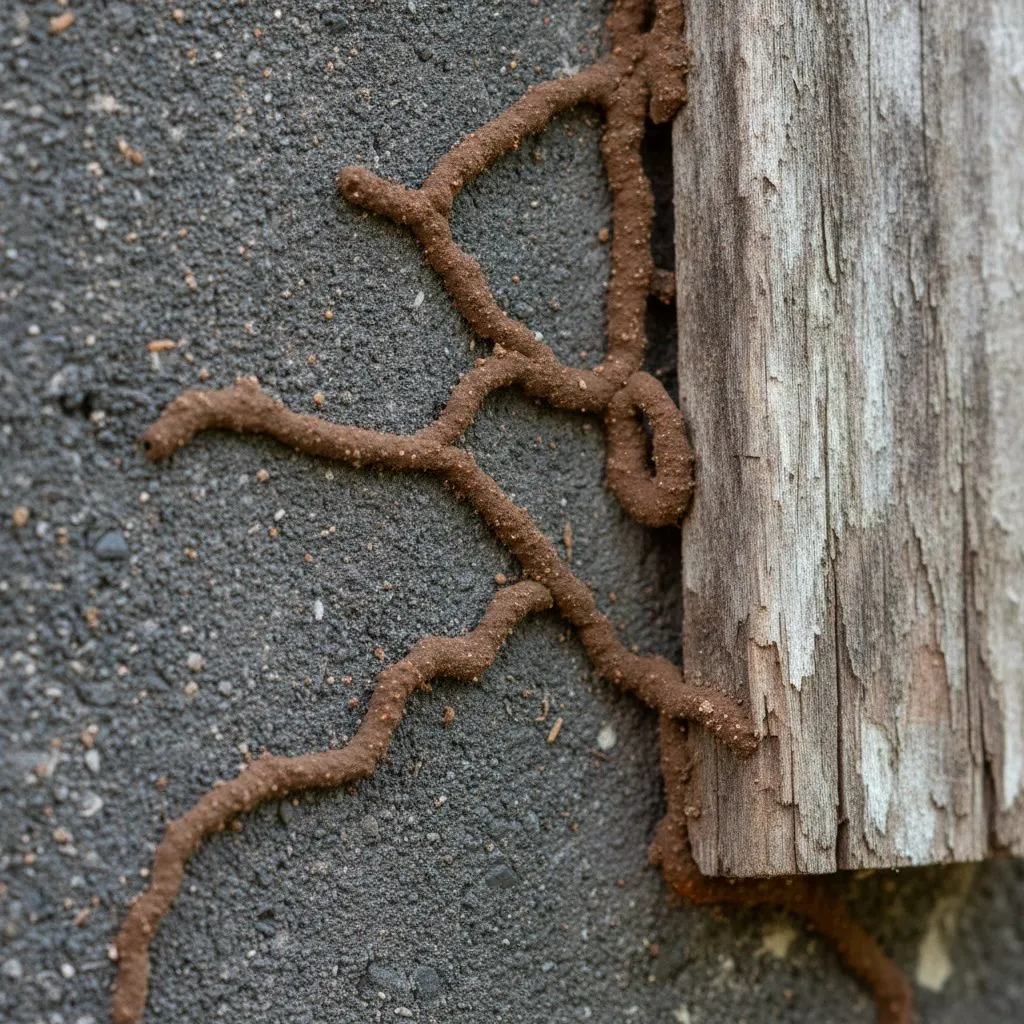
Subterranean termites are the most destructive termite we deal with in the Central Valley. They nest in the soil in colonies that can number in the hundreds of thousands, and they build pencil-width mud tubes up foundations and piers to reach the wood in your home — the framing, subfloor, and structural beams. Our long warm season and irrigated, landscaped yards give them exactly the moist soil they need, which makes Fresno-area homes a prime target.
How to identify subterranean termites
The signs are different from drywood termites — here’s what points to a subterranean problem:
Why the Central Valley is high-risk
Subterranean termites need moisture, and Valley living provides it: a long warm season, daily landscape irrigation, and water that collects against foundations. Wood-to-soil contact — fence posts, deck supports, siding near grade — and leaky irrigation or plumbing give colonies a direct bridge from the soil into the structure. The result is steady, year-round pressure on local homes.
Subterranean vs. drywood termites
Identifying which you have points straight to the right treatment:
About drywood termites →How we treat subterranean termites
Subterranean colonies live in the soil, so the treatment has to reach them there. We use one or both of these proven approaches:
Liquid soil barrier — a continuous treated zone in the soil around and under the foundation that termites can’t cross, giving long-lasting protection.
In-ground bait stations — stations placed around the home draw foragers to bait that collapses the colony, then keep monitoring for any re-invasion.
Correcting conducive conditions — fixing leaks, reducing wood-to-soil contact, and managing irrigation so the soil next to your home is less inviting.
Mud tubes are the clearest sign of subterranean termites — and you shouldn’t knock them all down before an inspection. Book one and we’ll confirm whether the colony is active and treat it at the source.
Subterranean termite FAQ
What do subterranean termites look like?
Workers are small, pale, and soft-bodied; the swarmers are dark with two pairs of equal-length wings. In practice the mud tubes are the most visible sign you’ll notice.
What’s the difference between subterranean and drywood termites?
Subterranean termites live in the soil and build mud tubes; drywood termites live inside dry wood and leave pellet frass. They require different treatments, so correct identification matters.
Why are subterranean termites so destructive?
They forage continuously from large soil colonies and can go undetected for years, hollowing out structural wood from the inside before any damage shows.
How do you get rid of subterranean termites?
With a liquid soil barrier, in-ground baiting, or both — plus correcting moisture and wood-to-soil contact. We recommend the right combination after inspecting.
Do mud tubes mean I definitely have termites?
Active mud tubes are a strong indicator. An inspection confirms whether the colony is currently active and how far it has reached into the structure.
Will a barrier or bait keep them from coming back?
Yes — a liquid soil barrier creates lasting protection, and monitored bait stations guard against re-invasion over time.
What is the difference between subterranean and drywood termite treatment?
Subterranean termites live in the soil and are treated with a liquid soil barrier or in-ground bait stations around the foundation. Drywood termites live entirely inside the wood and are treated with whole-structure fumigation or localized spot treatments. Correct identification decides the method, which is why an inspection always comes first.
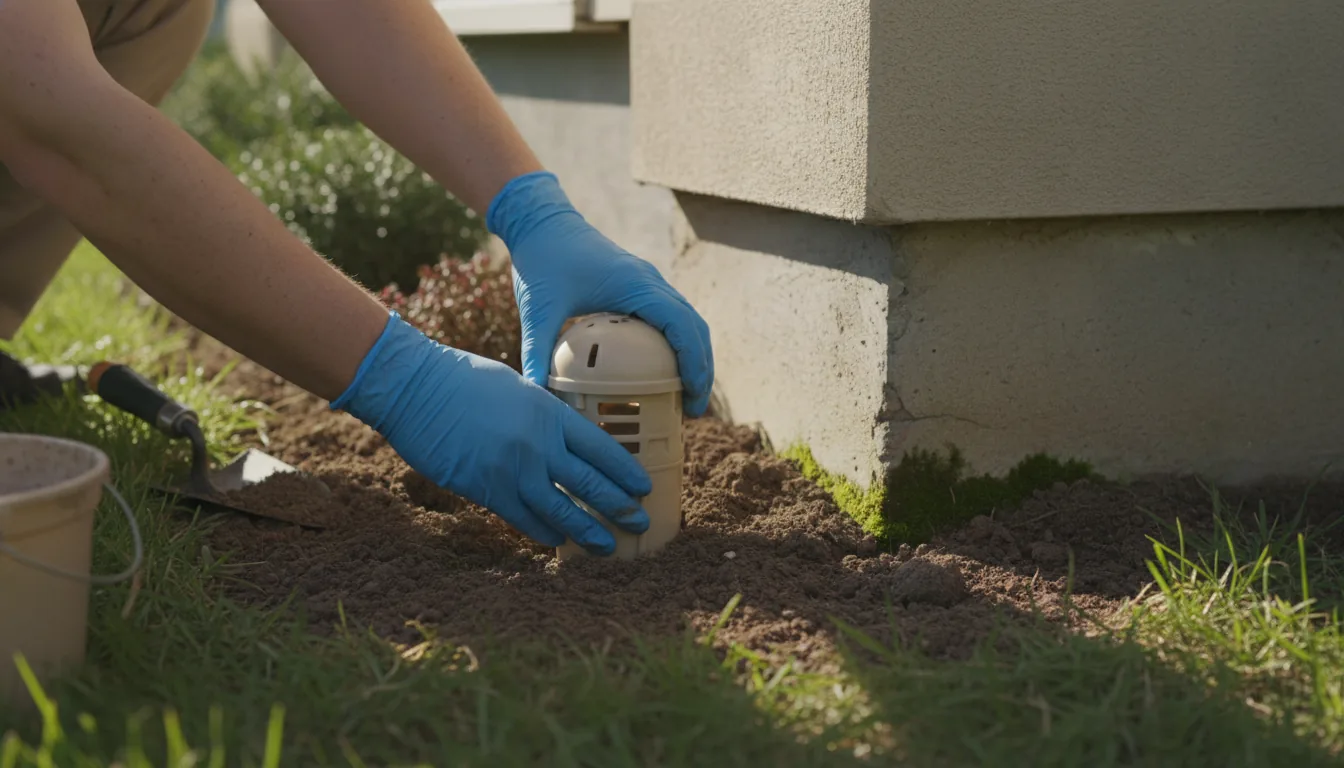
Stop subterranean termites before they spread.
Mud tubes on the foundation mean termites are already reaching your wood. Let's inspect, confirm the colony, and put the right barrier or bait system in place — protecting Fresno homes since 2020.