
Home › Termites › Drywood Termites
Drywood Termite Treatment & Control in Fresno
Drywood termites live entirely inside dry wood — no soil contact — which is why they thrive in older Fresno homes, attics, and furniture. Here's how to identify them, the damage they do, and how we get rid of them.
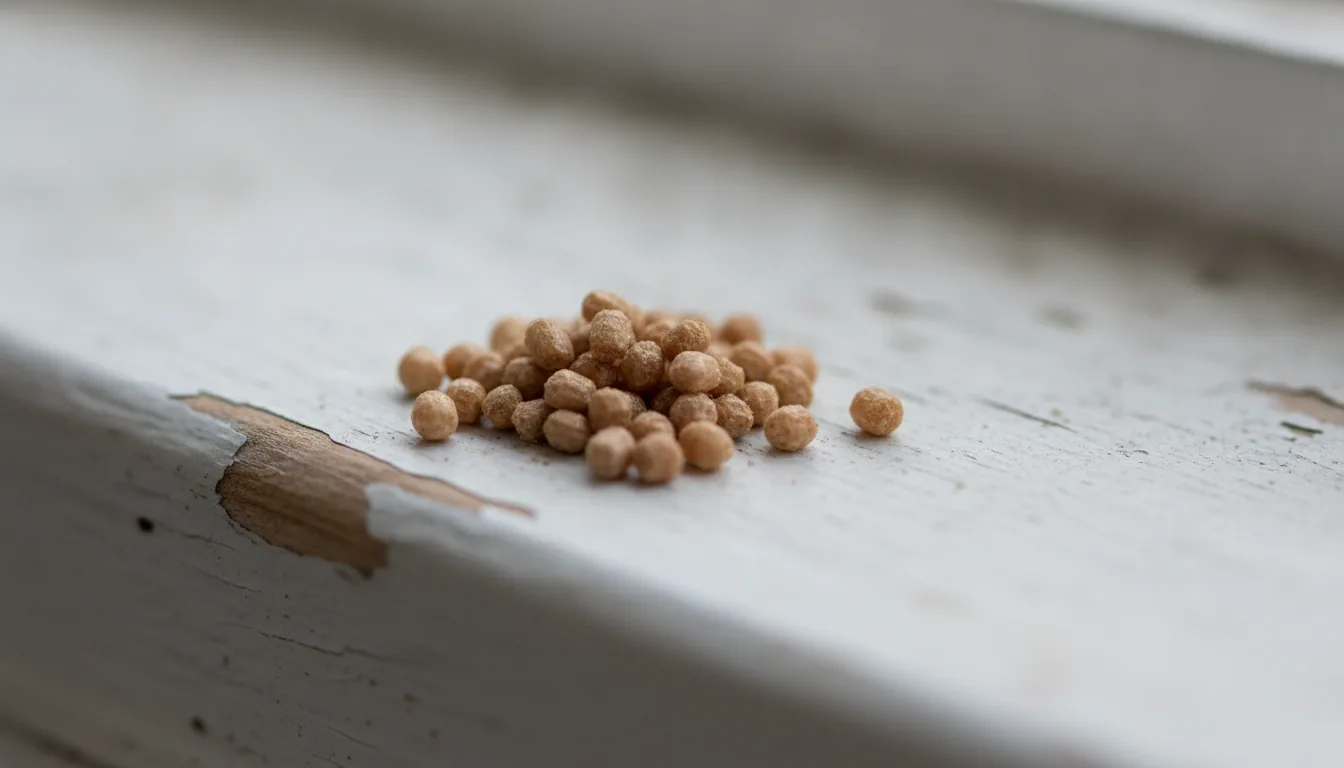
The western drywood termite (Incisitermes minor) is one of the two termites that matter most in the Central Valley. Unlike subterranean termites, drywood termites need no contact with soil and very little moisture — they live their whole lives inside dry, sound wood. That’s why you find them high in the structure: attics, eaves, window and door frames, hardwood floors, and even wood furniture, especially in Fresno’s older, established neighborhoods.
How to identify drywood termites
You’re far more likely to spot the evidence than the termites themselves. These are the giveaways:
Where drywood termites show up in Fresno homes
Because they don’t need the ground, drywood termites infest the upper and interior wood of a home: attic rafters and sheathing, eaves and fascia, window and door frames, hardwood flooring, garages, wood fences, and furniture. Older homes with decades of exposed and untreated wood are the most common targets across the Valley.
Drywood vs. subterranean termites
Telling the two apart points straight to the right treatment — they’re handled completely differently:
About subterranean termites →How we treat drywood termites
There are two proven routes, and the right one depends on how far the infestation has spread:
Localized / spot treatment — for a small, accessible infestation, product is injected directly into the galleries and affected wood. No tenting, no move-out.
Whole-house fumigation — when drywood termites are widespread or in unreachable areas, tenting eliminates every colony in the structure at once.
Either way, we address gaps and untreated wood and can set up follow-up monitoring so they don’t return.
Those sand-like piles are classic drywood frass. Book an inspection and we’ll confirm the species, find every affected area, and recommend localized treatment or fumigation.
Drywood termite FAQ
What do drywood termites look like?
Workers are creamy-white and about three-eighths of an inch long; the winged swarmers are darker. In practice you’ll usually notice their pellet frass before you ever see a termite.
How do I know it’s drywood and not subterranean?
Drywood termites leave dry, six-sided pellets and pinhole kick-out holes and do not build mud tubes. Subterranean termites build mud tubes from the soil. An inspection confirms which you have.
Do drywood termites need soil or moisture?
No. They live entirely inside dry wood, which is exactly why they infest attics, furniture, and framing far from the ground.
How do you get rid of drywood termites?
Localized treatment for a contained pocket, or whole-house fumigation when they’re widespread. We inspect first to determine which your home needs.
Are drywood termites common in Fresno?
Yes. The western drywood termite is well established across the Central Valley, particularly in older homes with exposed wood.
Can I treat drywood termites myself?
Surface sprays don’t reach the termites deep inside their galleries. Professional localized treatment or fumigation is what actually eliminates them.
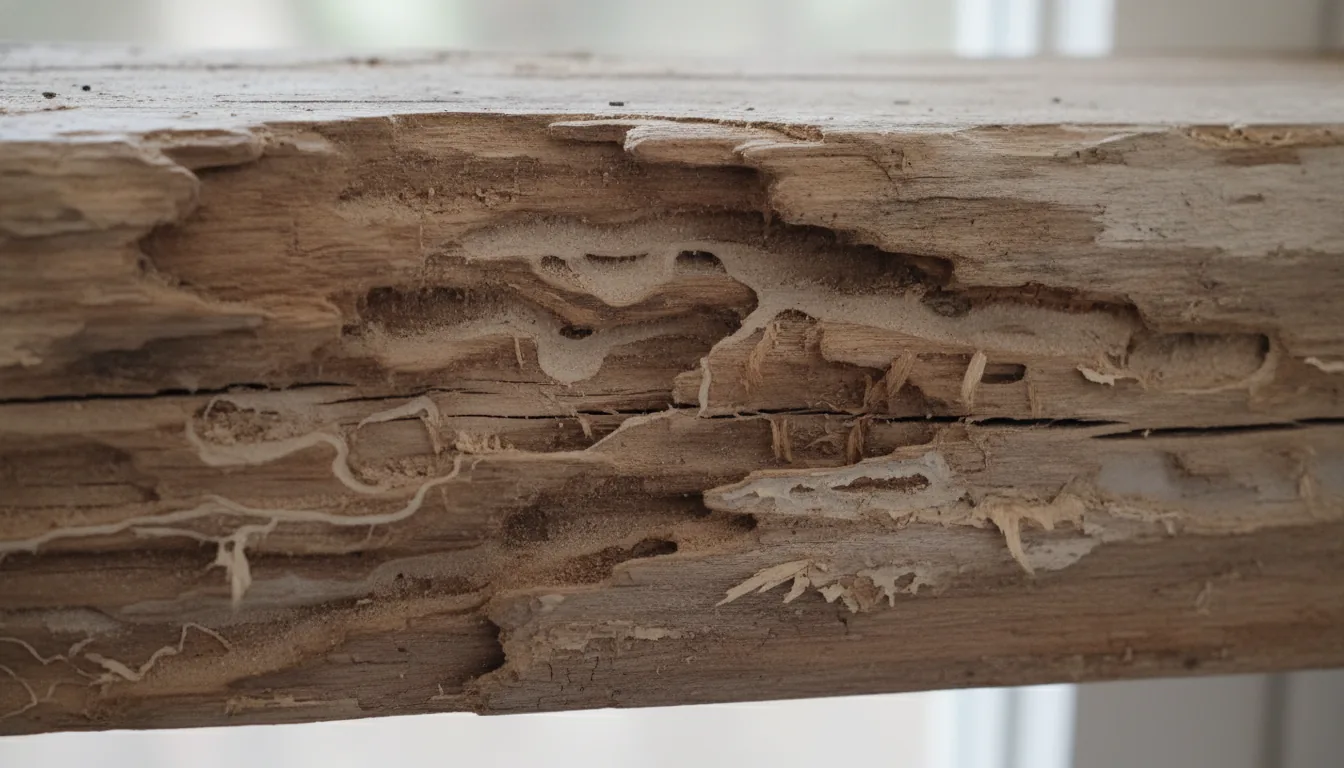
Got drywood termites? Let's deal with them.
From a single infested beam to a whole-house problem, we’ll identify the extent and treat it the right way — licensed, local, and protecting Fresno homes since 2020.