
Home › Termites › Termite Treatment
Termite Treatment in Fresno, CA
There's no one-size-fits-all termite treatment. The right method depends on the species, where they're nesting, and how far the infestation has spread. Here's how the main options compare — and how we choose the one that actually solves your problem.
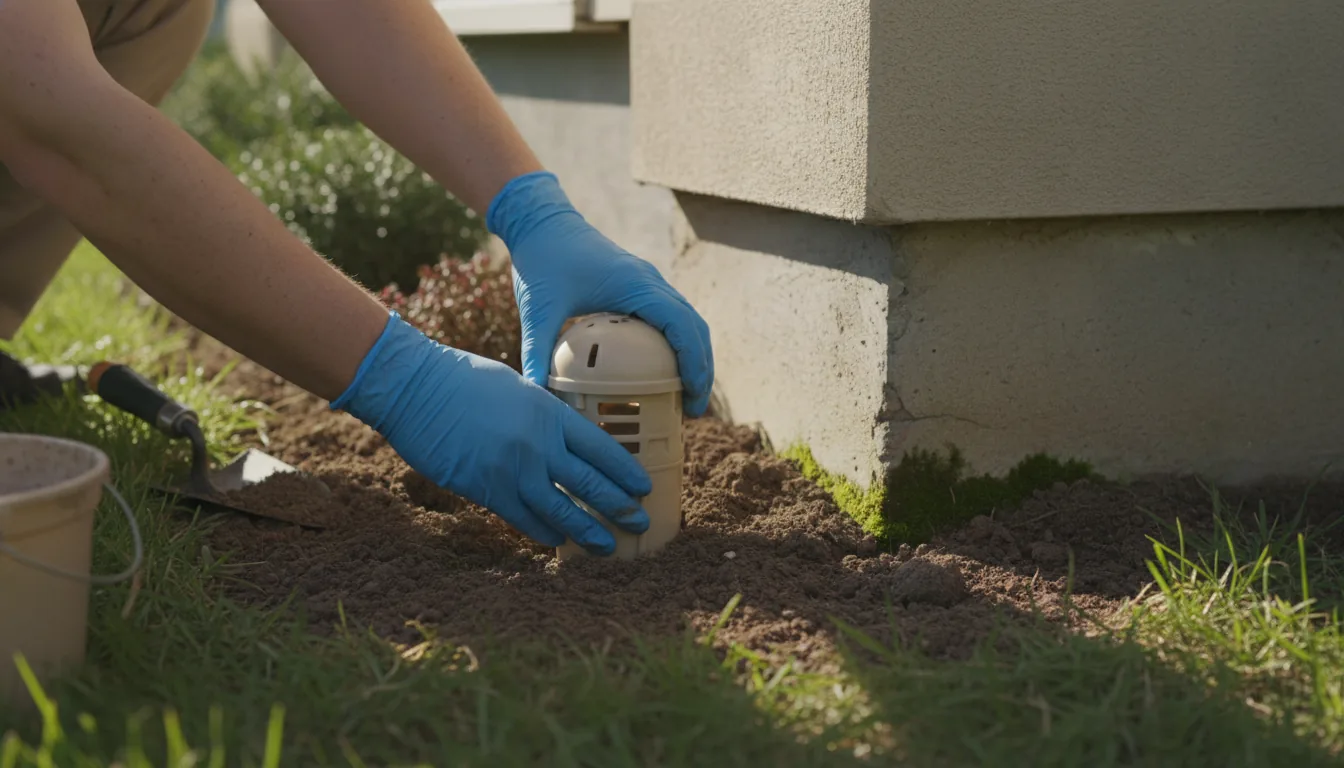
The most important thing to know about termite treatment is that it depends entirely on the type of termite and how far it has spread. Subterranean termites in the soil and drywood termites inside your walls need completely different approaches — and using the wrong one wastes money and leaves the colony alive. That’s why every job at Total Pest Control Fresno starts with an inspection, then matches the method to what we actually find.
The main termite treatment methods, compared
Most termite jobs in the Central Valley come down to four approaches. Here’s how they stack up:
Whatever the method, we also correct the moisture and wood-to-soil conditions that let termites in. Without that step, any treatment is only a temporary fix.
How we choose the right treatment
We confirm the species. Subterranean termites (mud tubes, soil contact) and drywood termites (frass, attic and eaves) call for entirely different treatments.
We map the spread. A contained drywood pocket may only need localized treatment; a structure-wide infestation usually means fumigation.
We factor in your home and timeline. Tenting is the most thorough drywood option but means leaving for a few days; barriers and baiting are no-move-out solutions for subterranean termites.
We address the conducive conditions so the problem doesn’t simply come back.
Subterranean vs. drywood: why it matters
Treatment that works on one type does almost nothing to the other. Subterranean termites live in the soil and are best handled with a liquid barrier or baiting. Drywood termites live entirely inside the wood and are treated with fumigation or localized treatment. Getting the identification right is the whole game — which is exactly why every job starts with a proper inspection.
Start with an inspection. We’ll identify the species, map the spread, and recommend the treatment that fits your home — with a clear plan and price before any work begins.
What does termite treatment cost?
Termite treatment is priced mainly by the type of termite, the method required, the size of the home, and how widespread the infestation is — a contained localized treatment and a whole-house fumigation are very different jobs. Rather than post a number that may not fit your situation, we quote clearly after the inspection. See our termite treatment cost guide for the factors that drive the price.
What termite treatment costs →Termite treatment FAQ
How long does termite treatment take?
Localized treatments are often a single visit. Whole-house fumigation usually takes 2–3 days including airing out, and soil barriers or bait installations are typically a day.
Do I have to leave my home?
Only for whole-house fumigation, which requires vacating for 2–3 days. Localized treatment, liquid soil barriers, and baiting don’t require moving out.
Which termite treatment is best?
The one that matches your species and spread. Fumigation is most thorough for widespread drywood termites; soil barriers and baiting are best for subterranean termites. We recommend the right method after inspecting.
Is termite treatment safe for my family and pets?
Yes, when performed by licensed professionals following label and SPCB requirements. For fumigation, the home is cleared during treatment and certified safe before anyone re-enters.
Will the termites come back?
Not if the job is done correctly and the conducive conditions are corrected. Bait systems and warranty programs add ongoing protection against re-invasion.
How soon can you start?
After an inspection confirms the species and extent, we schedule promptly. Call (559) 472-8200 to get on the calendar.
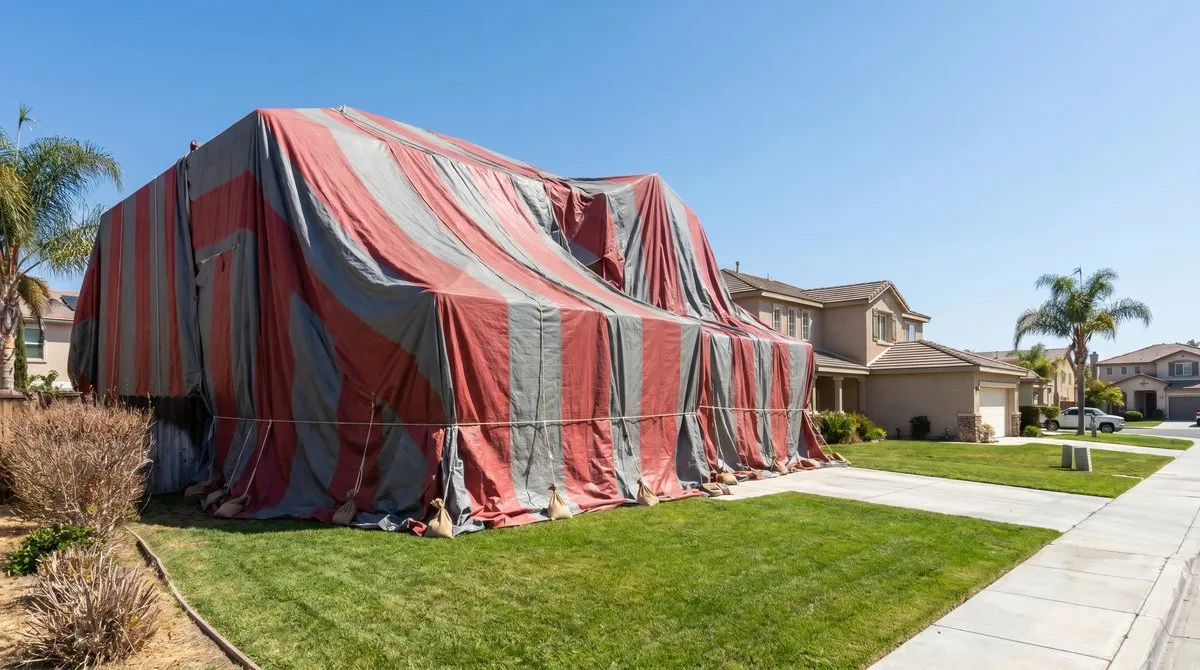
Get the right termite treatment — not a guess.
Tell us what you're seeing. We'll inspect, identify the species, and recommend the treatment that actually solves it — backed by a licensed Fresno team since 2020.